A war history program needs careful handling of memory, geography, pacing, and interpretation. This sample connects Hanoi, Central Vietnam, the DMZ, HCMC, and Cu Chi without reducing the route to battlefield stops.
Vietnam war history travel is easy to oversimplify. The route can become a list of battle sites, tunnels, museums, and memorials, or it can become too heavy for a leisure group that also needs comfort, recovery time, and a broader understanding of the country. A stronger program treats war memory as one layer of Vietnam, not the whole story.
For adult groups, the sequencing matters. Hanoi, Hue, the DMZ, Ho Chi Minh City, Cu Chi, and wartime museums each carry different forms of memory. Some are official, some are local, some are personal, and some are shaped by how overseas visitors arrive with their own inherited narratives. Good operation means choosing what to include, where to slow down, and where to give the group a lighter cultural or culinary day so the program does not become emotionally flat or exhausting.
For travel partners, the safest and strongest sales position is not “war tour.” It is a history and post-war memory journey that also shows rebuilding, regional life, food, heritage, contemporary cities, and how Vietnam is understood today. That framing gives the group a more balanced experience and avoids reducing the destination to conflict alone.
This program draws from the uploaded Vietnam War 14-day structure: Hanoi war-memory sites, Ha Long, Hue, DMZ/Khe Sanh/Vinh Moc, Hoi An, My Lai, HCMC, Cu Chi, War Remnants Museum, and the Mekong Delta. It is designed for adults, not for generic sightseeing. It is written as a specialist leisure group structure for travel partners, not a fixed retail tour.
Works for groups that want context, site interpretation, and space to process difficult material.
Can be adapted carefully by service branch, geography, or personal-history angle when known in advance.
Strong when framed around memory, conflict, civilian life, reunification, and contemporary Vietnam.
This is written for agent proposal development. Final routing should be checked against flight times, hotel locations, seasonal conditions, and group pace before quote lock.
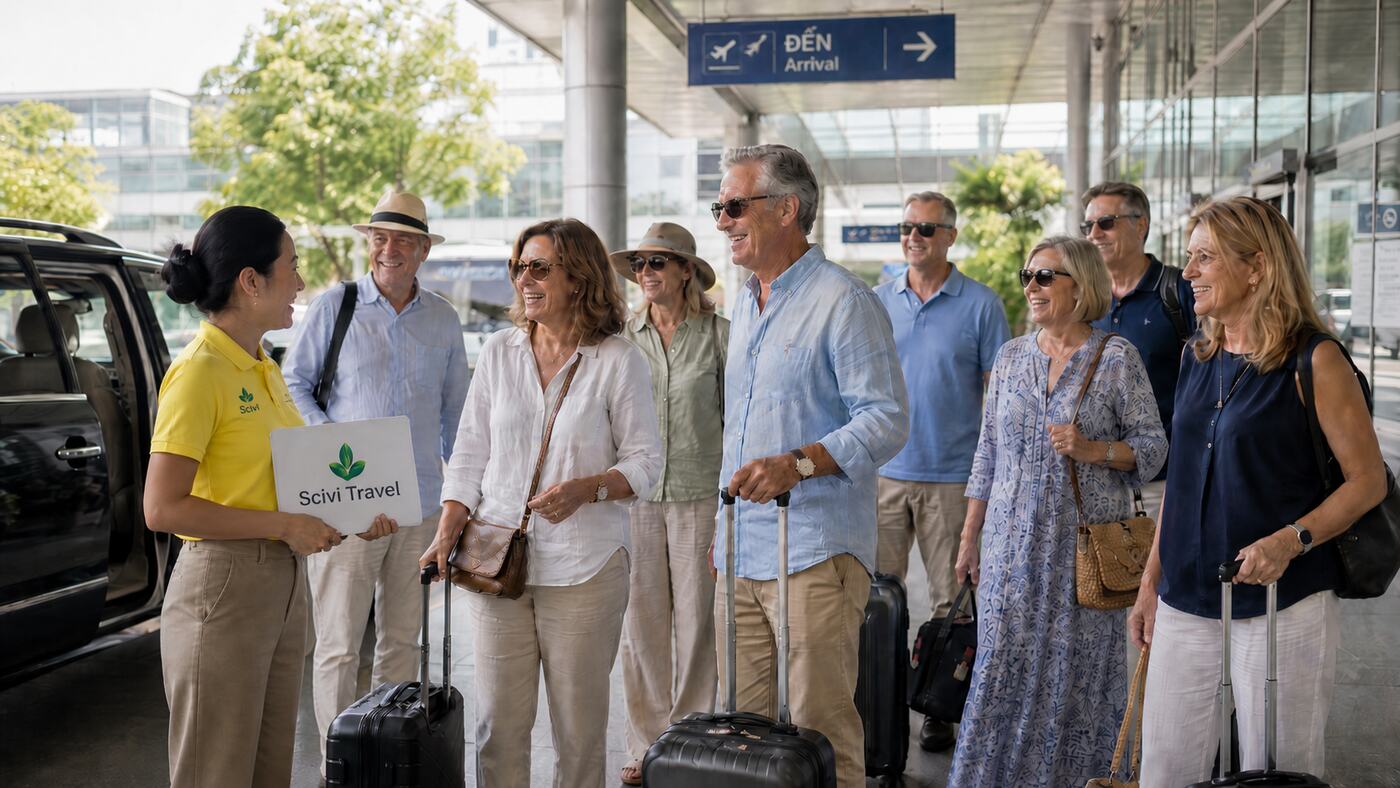
Airport welcome, hotel transfer, dinner, and a low-pressure first evening.
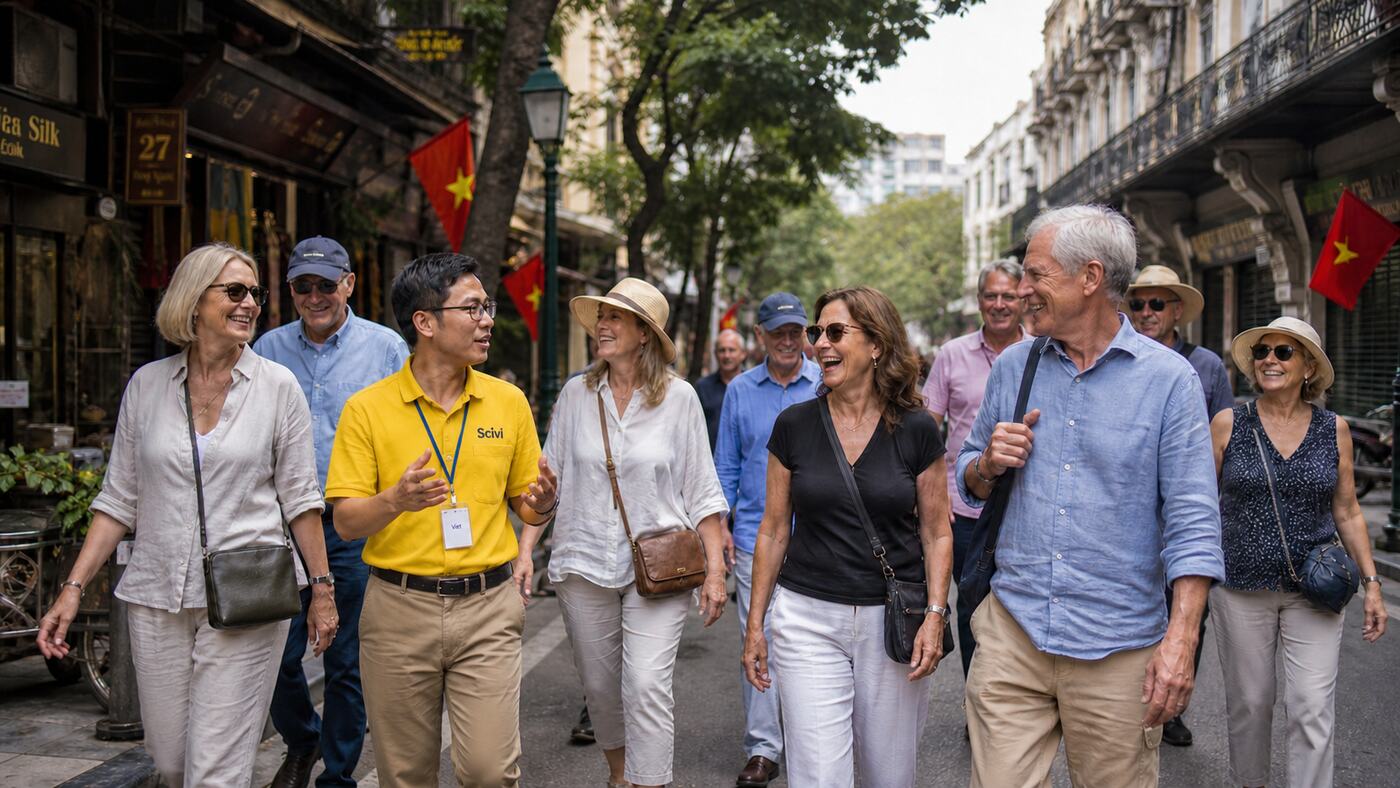
Hoan Kiem area, Ho Chi Minh Mausoleum exterior/complex as appropriate, B-52 Lake, Hoa Lo Prison, Military History Museum, and water puppet or cultural performance to avoid an all-war day.
A necessary decompression layer after Hanoi’s dense historical content. Cruise selection and transfer timing should fit the group age profile.
Morning cruise activity, disembark, fly to Hue, transfer and overnight.
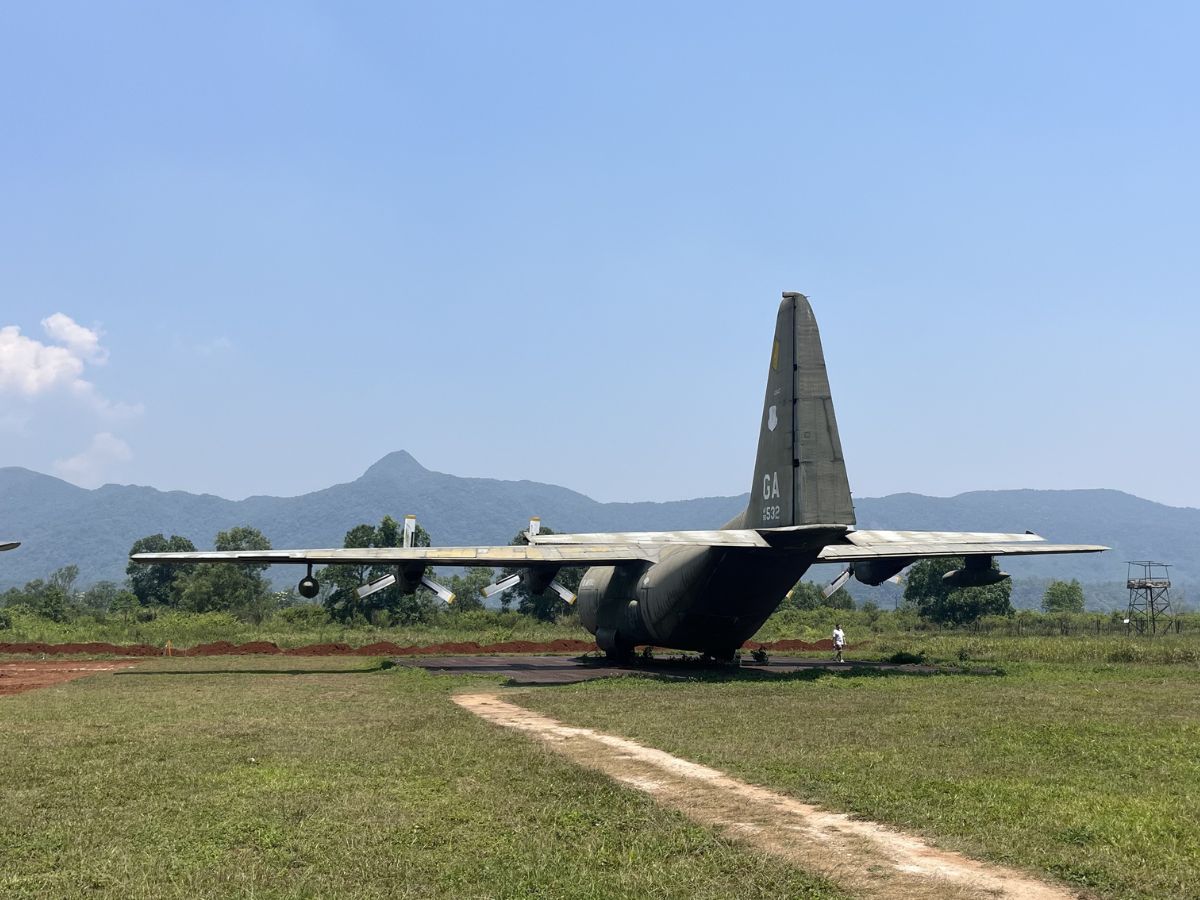
Khe Sanh Combat Base via Highway 9, Dakrong Bridge, Vinh Moc Tunnels, Hien Luong Bridge/Ben Hai River, and Truong Son cemetery if appropriate. This is a long and emotionally dense day.
Imperial City, royal tomb, craft village, and discussion of Hue’s place beyond the war narrative.
Lang Co, Hai Van Pass, Marble Mountain/China Beach context, then Hoi An evening.
Old town walk, crafts, food/countryside layer. This day prevents the itinerary from becoming only battlefield memory.
Travel to Quang Ngai/My Lai, lunch, flight to HCMC. This day must be briefed sensitively and not oversold as a simple attraction.
HCMC city orientation, Notre Dame exterior, Central Post Office, markets, Saigon River, and contemporary city life.
Cu Chi Ben Duoc, historic pho lunch, secret weapon bunker, War Remnants Museum if suitable, and controlled evening pace.
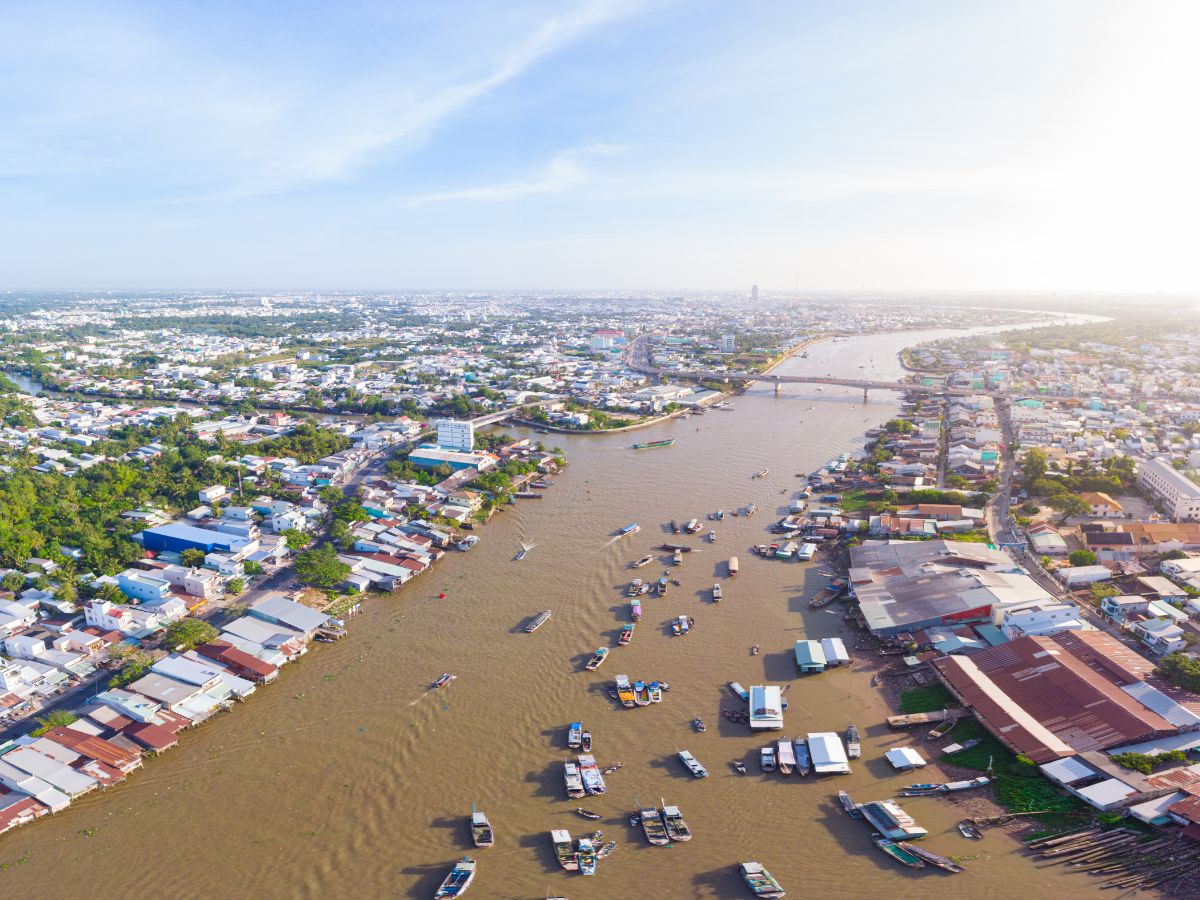
Move away from battlefield narrative into civilian river life: boat, hand-rowing canal, village road, home-style lunch, overnight Can Tho.
Early floating market, noodle or craft workshop, return to HCMC, farewell dinner.
Breakfast, check-out, and transfer. Optional museum/shop stop only if flight timing is comfortable.
These are the elements that should be visible in the client-facing proposal, not hidden inside the operations file.
This sample structure can prioritize locally rooted restaurants, guides, workshops, boats, and regional services where they fit the group standard. Community, faith, war-history, rural-life, and heritage experiences should be included only when there is a clear purpose, suitable timing, and respectful interpretation. The goal is to avoid shallow, rushed, or extractive group travel by making the operating choices more deliberate.
This section is intentionally practical. It helps decide whether the itinerary is ready to price, or still needs a routing review.
| Minimum viable length | 14 days is appropriate. A shorter war-history route should not try to keep every major site. |
|---|---|
| Main risk | Emotional load. Dense war-memory content needs pacing, context, and careful guide tone. |
| Hotel logic | Use comfortable hotels after DMZ/My Lai/Cu Chi days. Poor hotel choices make difficult days feel worse. |
| Agent note | Do not write client copy as “war tourism.” Position as history, memory, civilian life, and contemporary Vietnam. |
For B2B use, inclusions should be clear enough for partners to protect margin and avoid client misunderstanding.
For programs that include Ho Chi Minh City, VGO can draw from the same local research and guide briefing behind Saigon Walks. This is most useful when the partner wants a city experience that feels observed, social, and contemporary rather than a generic drive-by city tour.
Review these pages before turning a sample itinerary into a live proposal.
These pages support the quote, guide brief, and operational assumptions behind this sample program.
War-history programs require careful interpretation, tone, and site sequencing.
DMZ and Central Vietnam days need realistic travel time and emotional pacing.
A longer format helps balance heavy history days with lighter regional contrast.
Check routing, hotels, arrivals, meals, guides, and quote assumptions before the program is sold.
These notes keep the sample itinerary aligned with quote and operating decisions before it becomes client-facing.
No. This is a B2B sample structure. The final itinerary is adapted by group size, source market, travel dates, hotel level, pace, budget, and special interests.
Before quoting, check international and domestic flight timing, hotel location, meal rhythm, walking distance, seasonality, guide suitability, access conditions, and whether the route matches the group profile.
Yes. The overseas agent keeps the client relationship while VGO manages the Vietnam ground layer by agreement.
Final pricing depends on hotel category, rooming pattern, domestic flights, meal level, guide language, group size, arrival pattern, boat or cruise standard, special access needs, and how much flexibility is needed in the route.
Share dates, group size, market, hotel level, pace, budget band, must-see places, and any religious, heritage, food, or mobility requirements. We will review the structure before quoting the ground operation.