Playbook
Briefing a Vietnam guide for a private group
A guide cannot infer the group’s history, sensitivities and commercial expectations from the itinerary alone. The briefing must explain why the journey was designed this way.

A guide cannot infer the group’s history, sensitivities and commercial expectations from the itinerary alone. The briefing must explain why the journey was designed this way.
Give the guide the client story, not only the service list. The operating team should know what the group already understands, what must be handled delicately and where flexibility is authorised.
An alumni group, family, faith community, veteran group and first-time leisure group may visit the same site for different reasons. The guide needs age range, previous Vietnam experience, interests, language level and known sensitivities.
Names, anniversaries or family links that matter to the journey should be shared with consent and only with the people who need them.
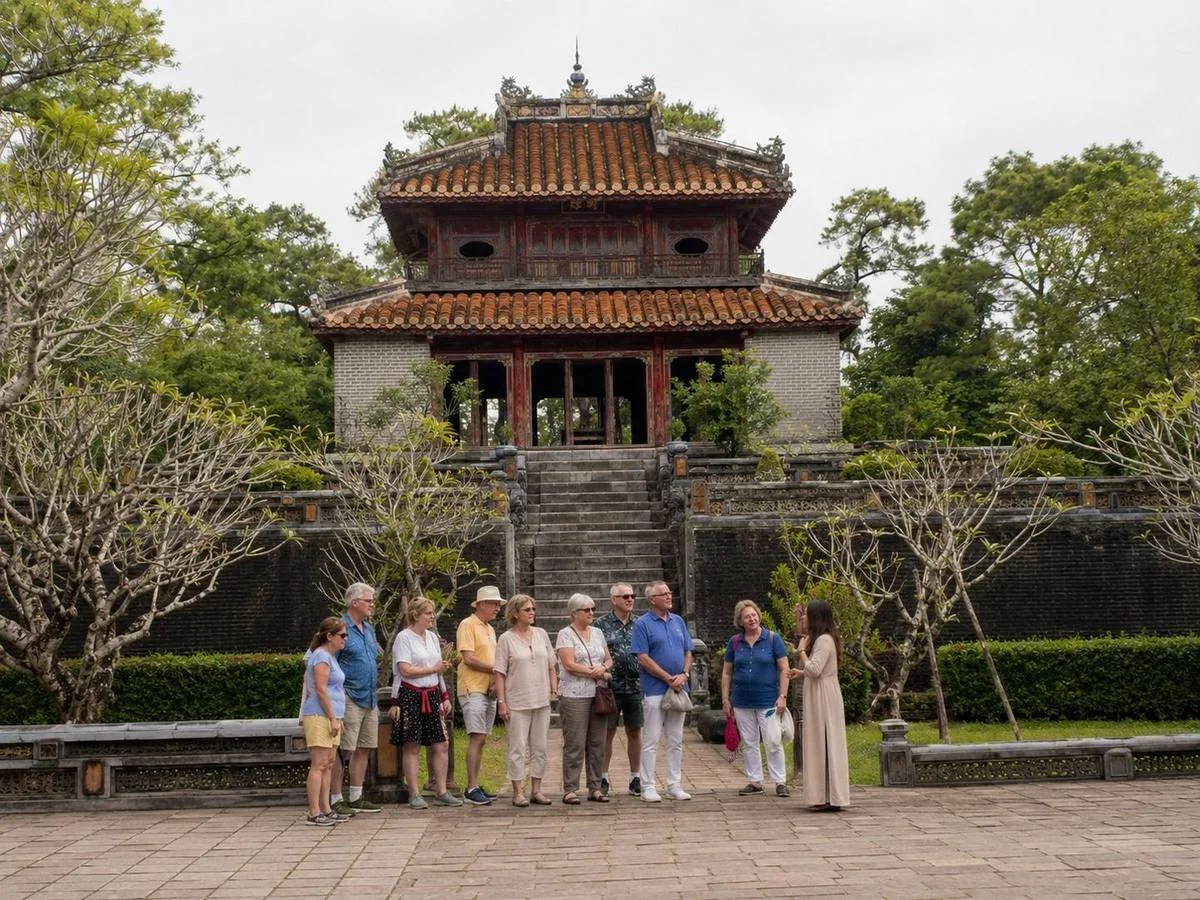
The guide needs the group’s purpose, sensitivities and decision boundaries—not another copy of the sales itinerary.
The guide should know why a neighbourhood replaces a landmark, why a free afternoon is protected, or why a museum is paired with a field site. Otherwise the journey can drift back toward a standard local checklist.
Identify the non-negotiable core and the elements that may be shortened, moved or dropped.
War memory, religion, ethnic-minority communities, poverty and environmental change require language that is accurate and proportionate. The briefing should identify terms or claims the client has already questioned.
A guide should be able to say when a topic is contested or beyond the evidence rather than fill every silence with certainty.
The guide brief should separate public journey notes, private partner context, sensitive topics, leader authority and the escalation path during travel.
Ask who writes the guide brief and whether the tour leader can review the priorities before arrival. A final call between guide and operating lead is often more valuable than another page of itinerary copy.
Send the group profile, route purpose, sensitive topics and leader expectations. We will show what belongs in the operating brief and what should remain a private partner note.