Alumni and affinity groups need a route that creates shared memory, not just sightseeing coverage. This sample focuses on social rhythm, guided interpretation, meals, and manageable movement for educated adult groups.
Alumni and affinity travel is not only about where the group goes. It is about how the group uses the route to reconnect around a shared identity: a university, association, museum, club, professional network, family circle, or interest group. In Vietnam, that means the itinerary needs enough cultural substance to feel worthwhile, but not so much formal interpretation that the trip becomes a lecture series.
Operationally, these groups need a rhythm that creates conversation. Welcome dinners, slower mornings after long-haul arrival, well-placed coffee stops, good private dining rooms, and guide commentary that opens discussion all matter. The route should include recognizable highlights, but the better value often comes from the moments between them: a market walk that leads into a meal, a heritage visit that connects to memory, or an evening that gives the group time to talk rather than simply move to the next activity.
For travel partners, the key is to avoid selling a generic Vietnam highlights tour under an alumni or affinity label. The program should show why this group is travelling together and how Vietnam gives them shared material to think about, taste, remember, and discuss.
The core product is not just sightseeing. The value is shared meals, guided context, good evening atmosphere, and a route that gives the group things to talk about together. It should feel curated, but not over-scripted. It is written as a specialist leisure group structure for travel partners, not a fixed retail tour.
Works when the trip needs enough intellectual and cultural depth for educated adults, without becoming classroom-style.
The itinerary can tilt toward heritage, food, faith, photography, or architecture.
Vietnam feels different from Europe/Japan-style routes; good operation reduces uncertainty while preserving discovery.
This is written for agent proposal development. Final routing should be checked against flight times, hotel locations, seasonal conditions, and group pace before quote lock.
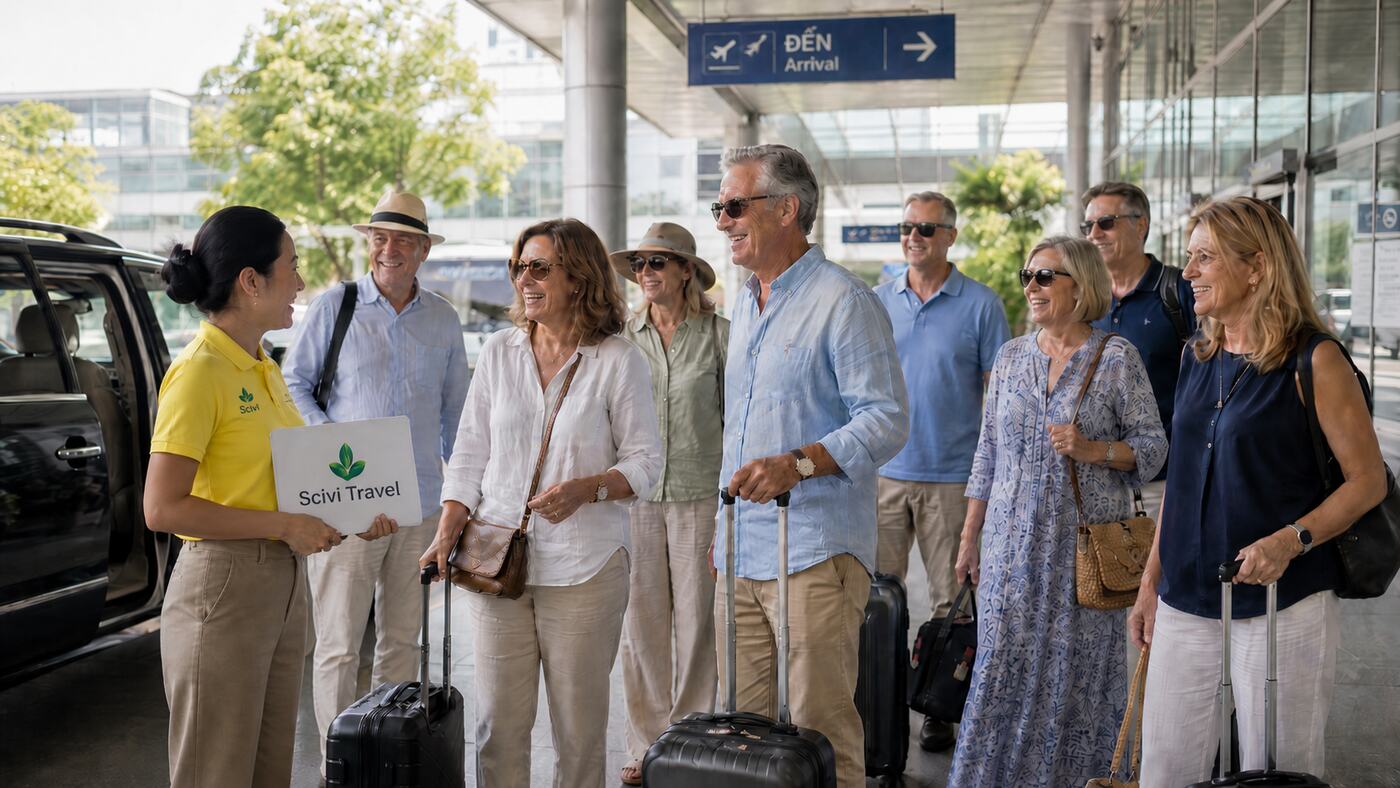
Airport welcome, hotel transfer, welcome dinner designed for reconnection and trip framing.
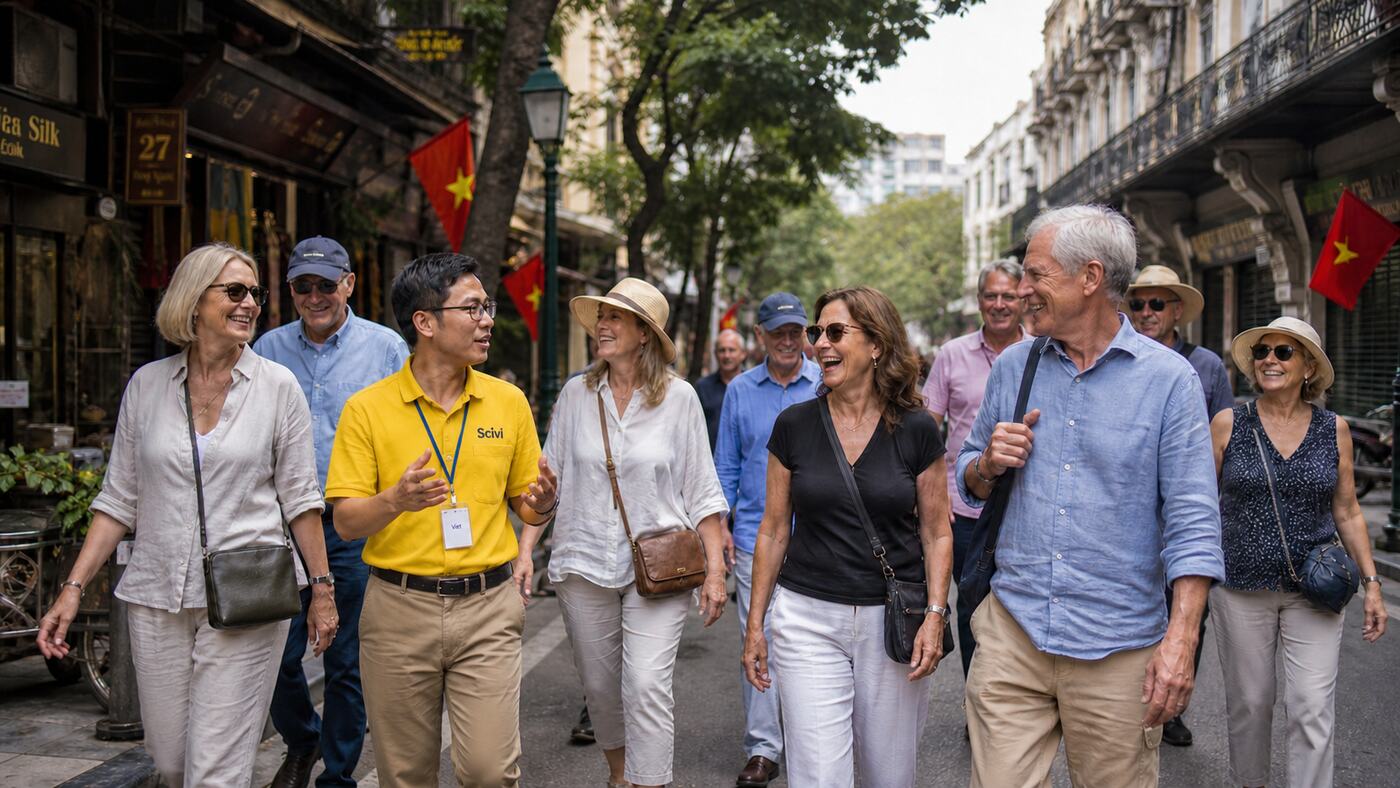
Old Quarter, Hoan Kiem, Ngoc Son, market walk, coffee stop, and cultural visit selected by group interest.
Choose Museum of Ethnology/Temple of Literature for cultural depth or Ninh Binh for landscape and early history.
Private transfer, cruise lunch, scenic cruising, sunset deck time, group dinner onboard.
Morning activity, disembark, fly to Da Nang, transfer Hoi An.
Old town walk, lantern workshop or heritage house, free time, curated dinner.
Choose Tra Que/cooking, basket boat/countryside, or My Son Cham ruins depending on group theme.
Imperial City and garden-house lunch if using Hue; otherwise Hoi An/Da Nang heritage and coastal layer.
Flight, hotel check-in, city landmarks and Saigon River orientation.
Heritage noodle shop, old market, Ben Thanh area, tastings, and stories of the city’s trading communities.
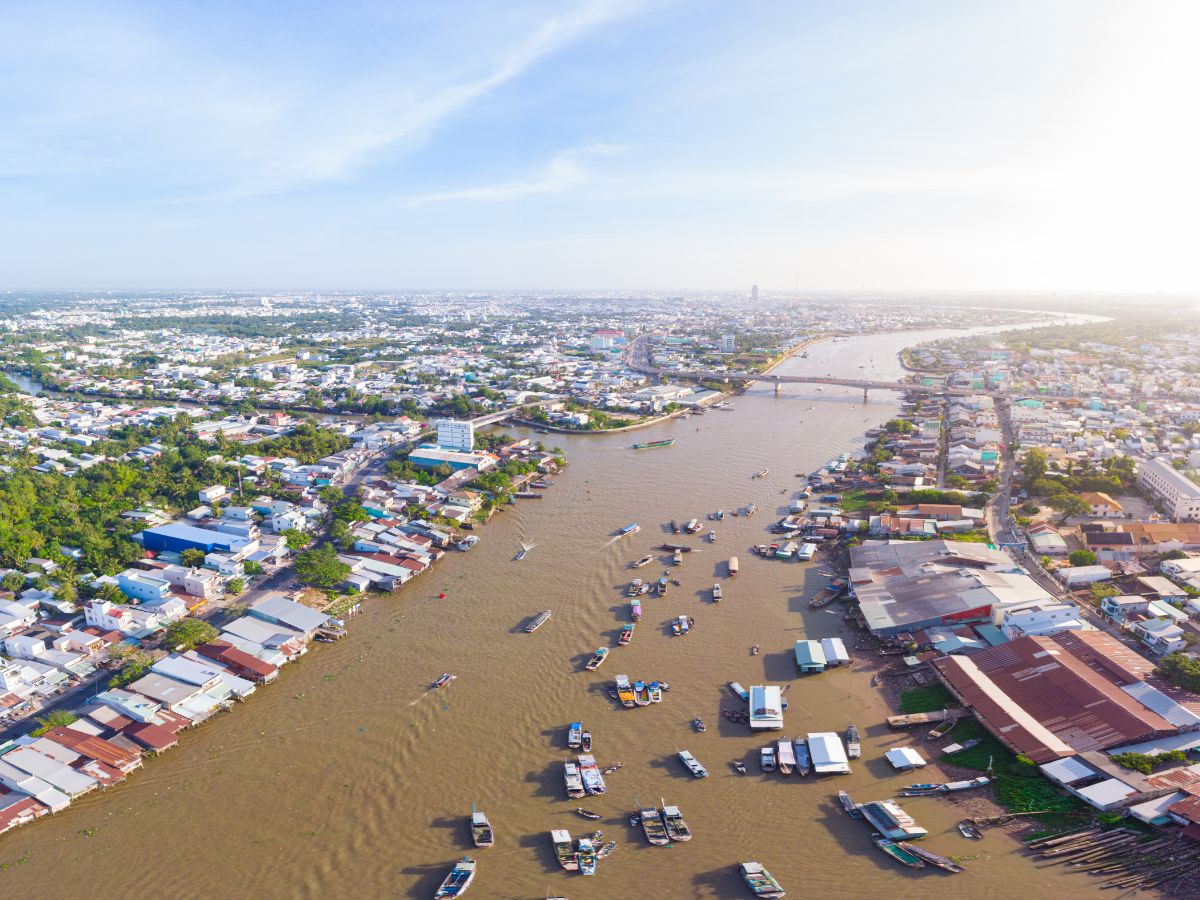
Ben Tre boat, hand-rowing canal, village movement, home-style lunch, return HCMC.
Departure support or optional Phu Quoc/Cambodia extension for groups with longer travel window.
These are the elements that should be visible in the client-facing proposal, not hidden inside the operations file.
This sample structure can prioritize locally rooted restaurants, guides, workshops, boats, and regional services where they fit the group standard. Community, faith, war-history, rural-life, and heritage experiences should be included only when there is a clear purpose, suitable timing, and respectful interpretation. The goal is to avoid shallow, rushed, or extractive group travel by making the operating choices more deliberate.
This section is intentionally practical. It helps decide whether the itinerary is ready to price, or still needs a routing review.
| Minimum viable length | 12 days is clean. 10 days can work if the program stays highlights-focused. |
|---|---|
| Main risk | Making it too generic. Affinity groups need at least one clear angle: food, heritage, faith, alumni connection, photography, or history. |
| Hotel logic | Walkable evening locations are important because group social life often happens outside formal touring hours. |
| Agent note | Ask what binds the group together. The itinerary should reflect that bond instead of using the same generic highlights copy. |
For B2B use, inclusions should be clear enough for partners to protect margin and avoid client misunderstanding.
For programs that include Ho Chi Minh City, VGO can draw from the same local research and guide briefing behind Saigon Walks. This is most useful when the partner wants a city experience that feels observed, social, and contemporary rather than a generic drive-by city tour.
Review these pages before turning a sample itinerary into a live proposal.
These pages support the quote, guide brief, and operational assumptions behind this sample program.
Affinity groups often remember shared meals more than checklist sightseeing.
Guides should know the group identity, tone, shared interest, and pace expectations.
Keep the agent relationship clear while VGO supports delivery on the ground.
Check routing, hotels, arrivals, meals, guides, and quote assumptions before the program is sold.
These notes keep the sample itinerary aligned with quote and operating decisions before it becomes client-facing.
No. This is a B2B sample structure. The final itinerary is adapted by group size, source market, travel dates, hotel level, pace, budget, and special interests.
Before quoting, check international and domestic flight timing, hotel location, meal rhythm, walking distance, seasonality, guide suitability, access conditions, and whether the route matches the group profile.
Yes. The overseas agent keeps the client relationship while VGO manages the Vietnam ground layer by agreement.
Final pricing depends on hotel category, rooming pattern, domestic flights, meal level, guide language, group size, arrival pattern, boat or cruise standard, special access needs, and how much flexibility is needed in the route.
Share dates, group size, market, hotel level, pace, budget band, must-see places, and any religious, heritage, food, or mobility requirements. We will review the structure before quoting the ground operation.