Operational playbook
Planning group meals in Vietnam without menu fatigue
Meal planning is not a list of restaurants. It is a sequence of timing, dietary, seating, hygiene and cultural decisions across the route.

Meal planning is not a list of restaurants. It is a sequence of timing, dietary, seating, hygiene and cultural decisions across the route.
Protect variety and recovery. Not every lunch needs to teach a regional cuisine, and not every dinner should keep the group together after a long day.
Collect allergies, medical restrictions, vegetarian or vegan needs, religious requirements and severe dislikes early. Vietnamese kitchens can adapt many dishes, but cross-contamination and hidden fish sauce, broth or shellfish require direct discussion.
The guide and restaurant need the same final dietary list; verbal updates during service are too late for complex needs.
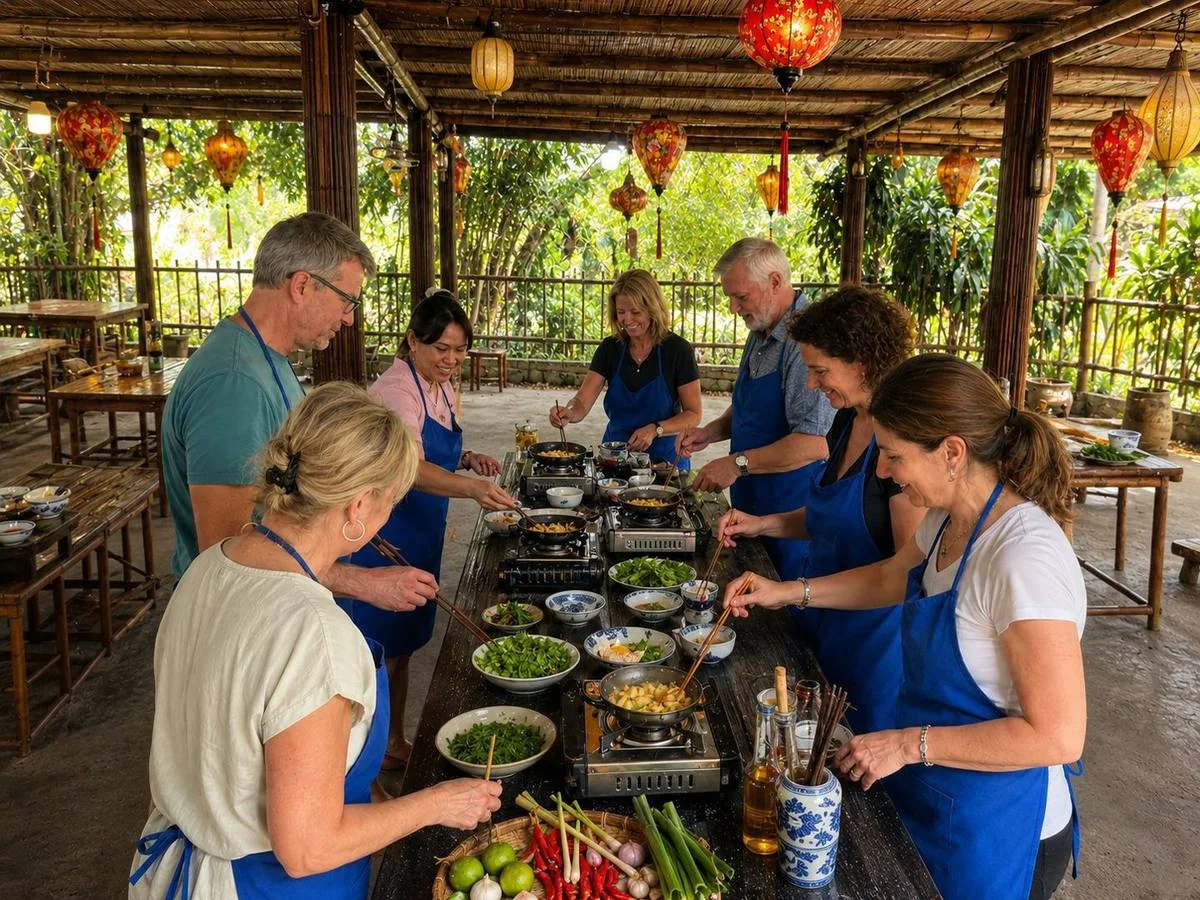
Dietary safety, service time and appetite vary across the route; the meal pattern should protect the day rather than maximise included restaurants.
A fast, well-organised lunch can protect an afternoon visit. A hosted garden-house meal can justify more time and a slower return. A free dinner near the hotel may be the best choice after a domestic flight.
State where the meal is fixed, where travellers order individually and where beverages or gratuities are excluded.
Repeated communal courses can feel monotonous even when each restaurant is competent. Vary regional style, setting, portion and level of formality; include selected independent meals where the location makes them easy.
Food experiences should be chosen for context and group fit, not because every city needs a market, class and street-food walk.
The meal plan should distinguish fixed meals, hosted meals, independent dinners, dietary handling, beverages and the fallback for a kitchen that cannot meet a serious restriction.
Ask for a meal pattern by day, not necessarily every final restaurant months ahead. Confirm dietary process, included beverages, free meals and how the operator handles a restaurant that cannot safely meet a serious restriction.
Send dietary needs, meal expectations and the balance between hosted, included and independent dining. We will match meal timing and format to the operating day.