Heritage and history groups need interpretation without turning the trip into a lecture. This sample balances major sites, living heritage, wartime memory, food, and manageable movement.
Vietnam heritage travel can become thin if it is treated as a sequence of temples, museums, old towns, and photo stops. It can also become tiring if every day is overloaded with interpretation. A stronger heritage and history group program chooses fewer sites more carefully and connects them to living context: urban memory in Hanoi, dynastic and imperial layers in Hue, trade and conservation in Hoi An, wartime and post-war memory in Ho Chi Minh City, and everyday ritual, food, craft, and family life along the route.
The operating challenge is interpretation fatigue. Mature cultural groups often want depth, but they still need air in the day, comfortable meals, and enough unscripted time to feel the place. The guide’s role is not to recite everything. It is to frame what the group is seeing, explain what matters, and leave room for questions, comparison, and disagreement. That is especially important in Vietnam, where history is layered, political memory can be sensitive, and sites often carry different meanings for local and overseas visitors.
For partners, this type of program works best when the proposal shows a clear curatorial line. Heritage is not only built heritage. It includes living heritage, foodways, religious practice, civic memory, craft, architecture, and how modern Vietnam chooses what to preserve, reinterpret, or move past.
This program is a lighter history route than the dedicated Vietnam War program. It focuses on heritage cities, Cham/imperial/trading layers, colonial-era urban form, and selective modern-history context. It is written as a specialist leisure group structure for travel partners, not a fixed retail tour.
Good for travelers who want strong guide interpretation without academic framing.
Works well when the trip needs substance but not classroom language.
A sellable middle ground between classic highlights and specialized war-history programming.
This is written for agent proposal development. Final routing should be checked against flight times, hotel locations, seasonal conditions, and group pace before quote lock.
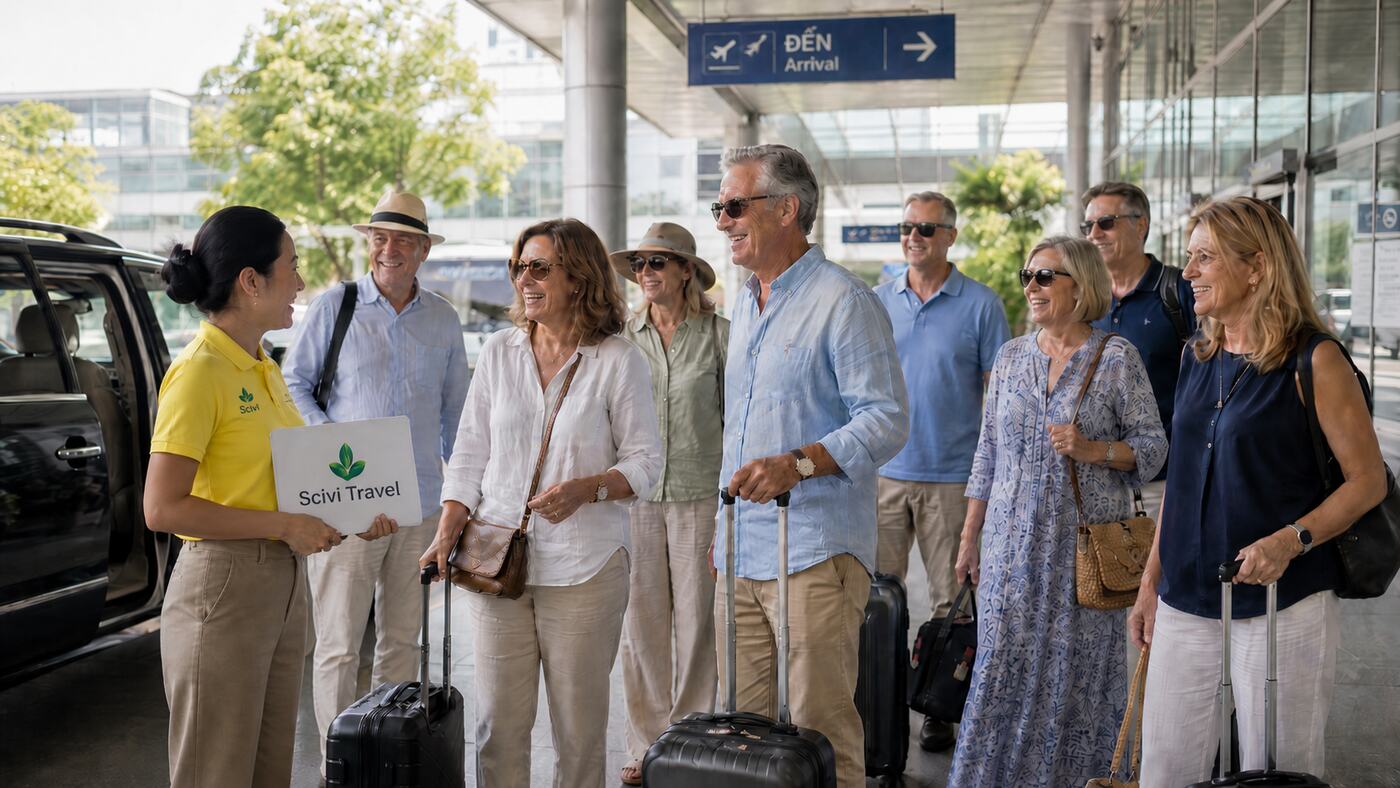
Meet guide, hotel transfer, dinner.
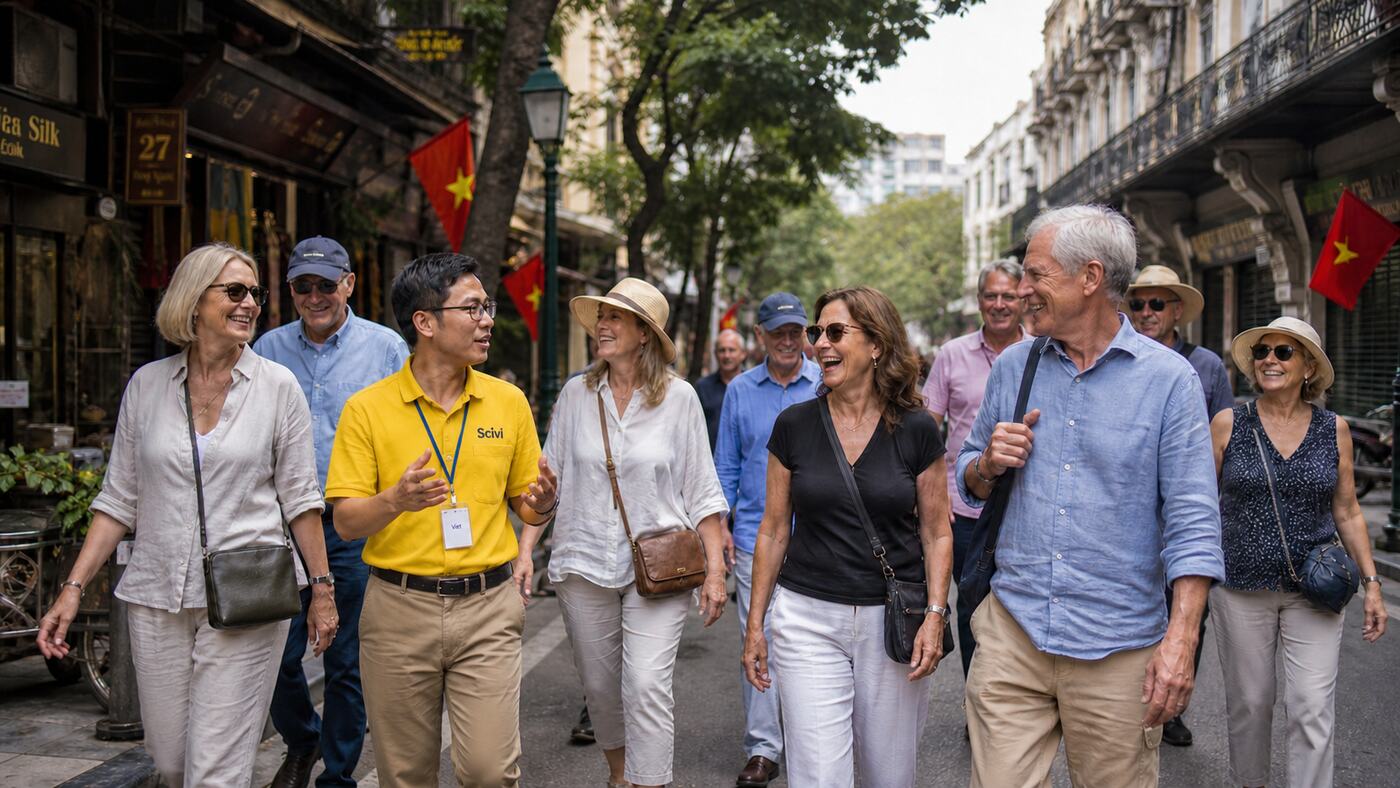
Hoan Kiem, Ngoc Son, old quarter, Temple of Literature or Museum of Ethnology, evening performance.
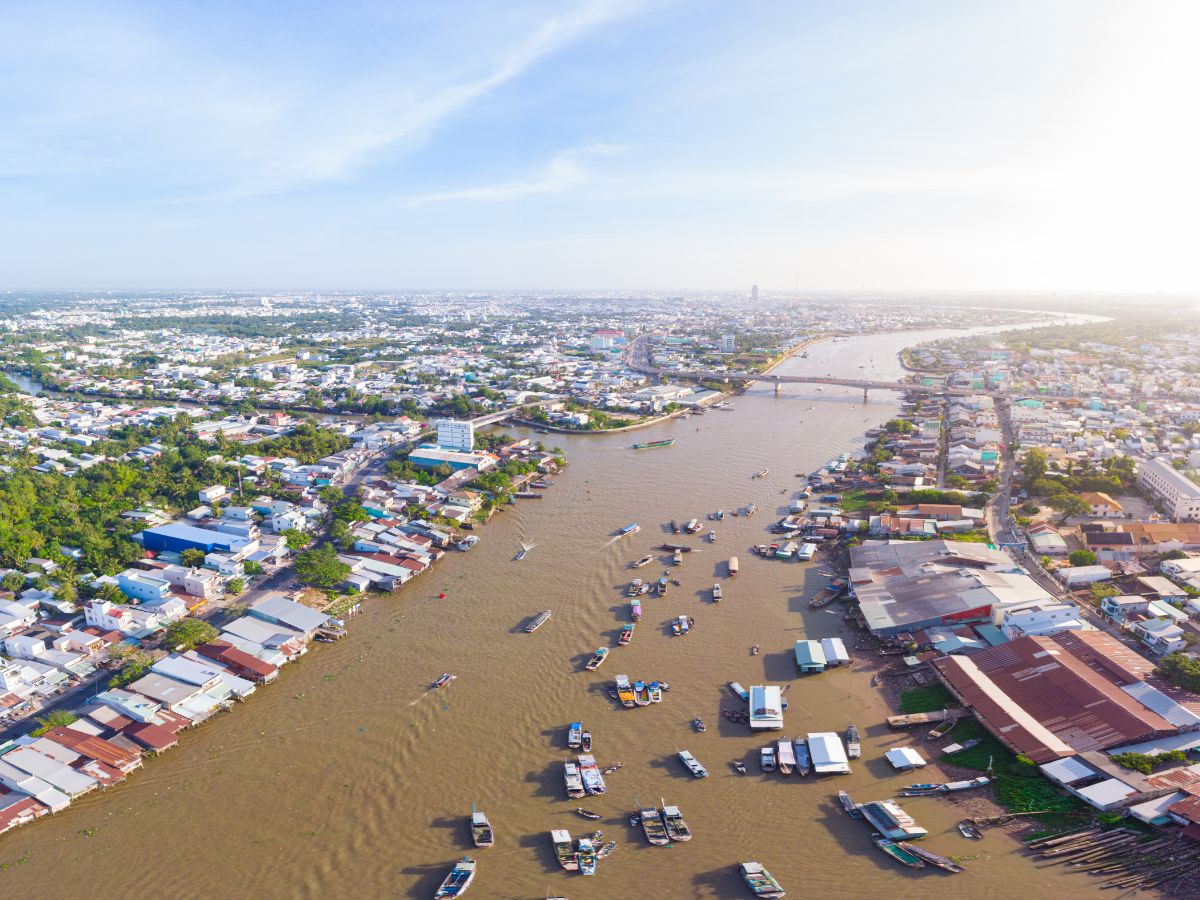
Landscape and decompression after Hanoi content.
Disembark, fly to Da Nang, transfer Hoi An.
Old town, merchant houses, assembly halls, river atmosphere, optional lantern workshop.
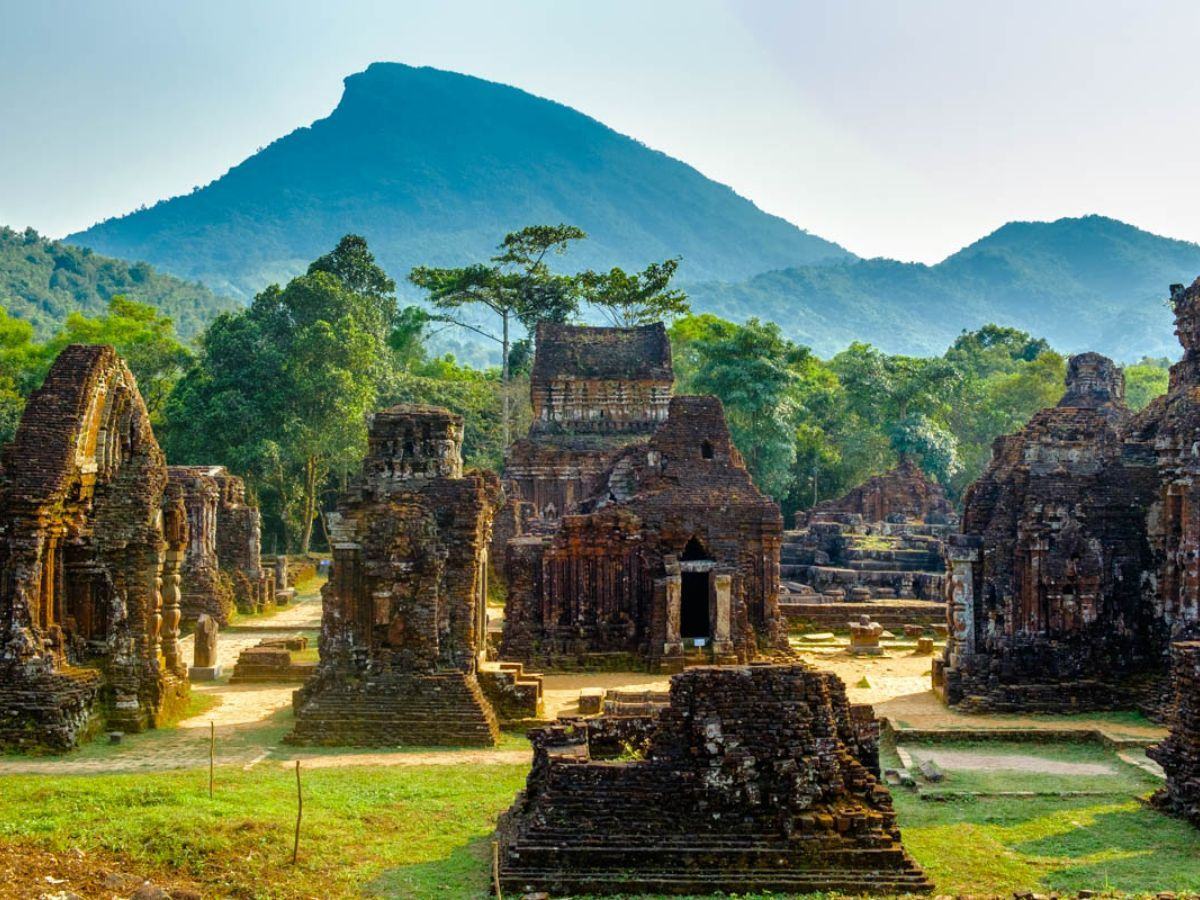
My Son Cham ruins with guide interpretation, or countryside craft/food layer for softer groups.
Transfer to Hue, Imperial City, royal tomb or craft village.
Kim Long garden-house lunch/tea, feng shui and family heritage context.
City orientation, Central Post Office, Notre Dame exterior, City Hall area, Saigon River.
Market walk, old trading communities, optional War Remnants Museum or History Museum depending on tone.
Choose Cu Chi Ben Duoc for modern history or Ben Tre Mekong for softer river-life ending.
Breakfast, transfer, optional short café/shop stop.
These are the elements that should be visible in the client-facing proposal, not hidden inside the operations file.
This sample structure can prioritize locally rooted restaurants, guides, workshops, boats, and regional services where they fit the group standard. Community, faith, war-history, rural-life, and heritage experiences should be included only when there is a clear purpose, suitable timing, and respectful interpretation. The goal is to avoid shallow, rushed, or extractive group travel by making the operating choices more deliberate.
This section is intentionally practical. It helps decide whether the itinerary is ready to price, or still needs a routing review.
| Minimum viable length | 12 days is workable. 10 days can work if either Hue or My Son is cut. |
|---|---|
| Main risk | Too many temples/museums in a row. Alternate interpretation with meals, walking, and social time. |
| Hotel logic | Hoi An and Hue hotel location affects evening comfort and transfer reliability. |
| Agent note | Use this route when the client wants meaning, not when they want only postcard highlights. |
For B2B use, inclusions should be clear enough for partners to protect margin and avoid client misunderstanding.
Review these pages before turning a sample itinerary into a live proposal.
These pages support the quote, guide brief, and operational assumptions behind this sample program.
See why 12 days gives more room for heritage interpretation and slower transitions.
Heritage groups need guide tone, context, and sequence briefed before arrival.
Avoid routes that look rich on paper but exhaust the group in practice.
Check routing, hotels, arrivals, meals, guides, and quote assumptions before the program is sold.
These notes keep the sample itinerary aligned with quote and operating decisions before it becomes client-facing.
No. This is a B2B sample structure. The final itinerary is adapted by group size, source market, travel dates, hotel level, pace, budget, and special interests.
Before quoting, check international and domestic flight timing, hotel location, meal rhythm, walking distance, seasonality, guide suitability, access conditions, and whether the route matches the group profile.
Yes. The overseas agent keeps the client relationship while VGO manages the Vietnam ground layer by agreement.
Final pricing depends on hotel category, rooming pattern, domestic flights, meal level, guide language, group size, arrival pattern, boat or cruise standard, special access needs, and how much flexibility is needed in the route.
Share dates, group size, market, hotel level, pace, budget band, must-see places, and any religious, heritage, food, or mobility requirements. We will review the structure before quoting the ground operation.