A culinary group program should do more than collect tasting stops. This sample uses markets, hosted meals, regional foodways, and meal rhythm to make food a way into Vietnamese culture.
A Vietnam culinary group is not built by adding cooking classes and famous dishes to a normal itinerary. The better product is food culture: markets, family meals, regional ingredients, migration, coffee, wet-market timing, street-food confidence, Mekong food systems, and the way meals shape social life. For many groups, food is the easiest route into everyday Vietnam, but it also requires stronger ground control than a normal sightseeing program.
The operation has to balance curiosity with comfort. Market visits need good timing, hygiene judgment, clear walking flow, and a guide who can explain without turning the stop into a staged performance. Meals need to be sequenced so the group does not face heavy lunches before long coach transfers or repetitive set menus for several days in a row. Coffee stops, hosted meals, regional specialties, and lighter evenings can carry as much value as a formal cooking class when they are connected to the route.
For travel agents, the sales story should not be simply “Vietnam has great food.” It should be that food can organize the journey: Hanoi street food and coffee culture, Hue court cuisine and central flavours, Hoi An markets and trade routes, Ho Chi Minh City migration and urban food, and the Mekong Delta as a living food system.
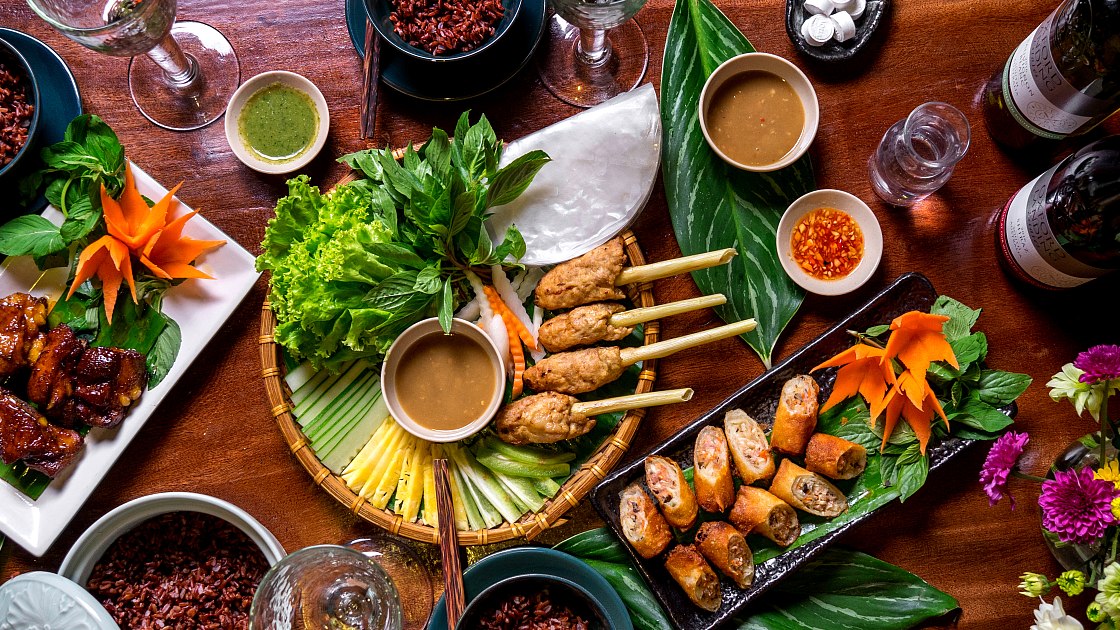
This is a shorter food-and-culture proposal using the strongest food moments from the longer culture routes: Hanoi market/lake context, Hoi An cooking and village produce, Hue garden-house living, HCMC market tastings, and Mekong home-style lunch. It is written as a specialist leisure group structure for travel partners, not a fixed retail tour.
Designed around meals and tastings as experiences, not filler.
Works well when social connection matters as much as sightseeing.
Enough depth for long-haul travelers without requiring a full two-country program.
This is written for agent proposal development. Final routing should be checked against flight times, hotel locations, seasonal conditions, and group pace before quote lock.
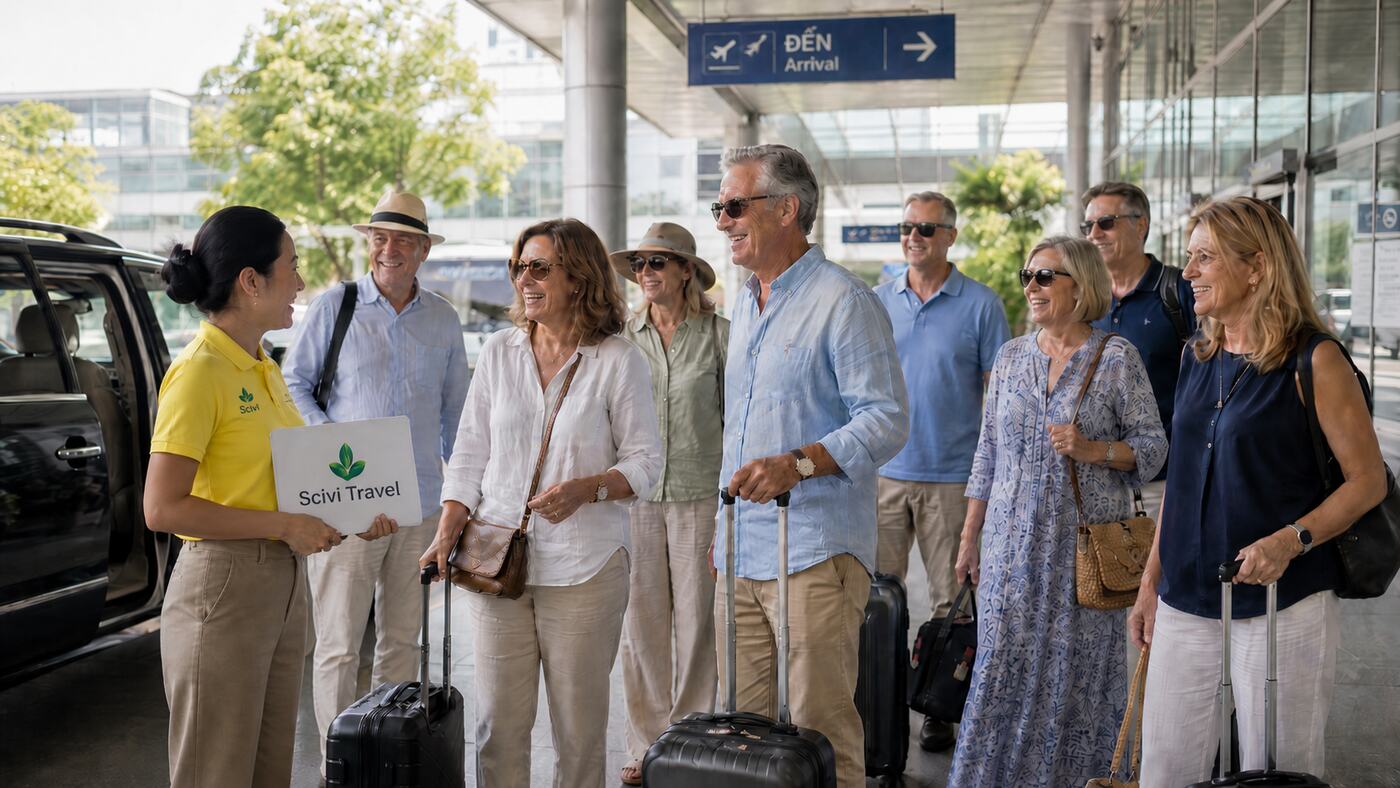
Airport welcome, hotel check-in, simple welcome dinner.
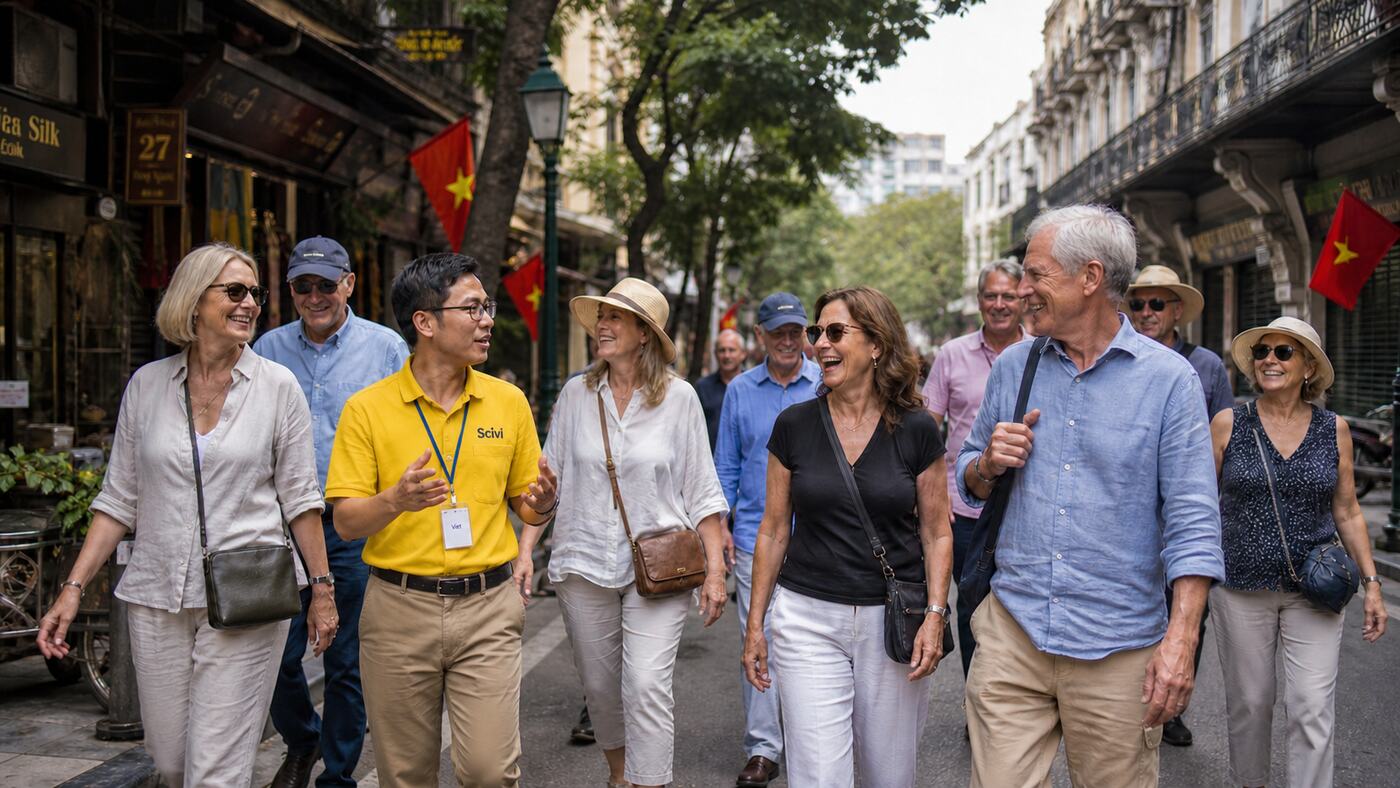
Old Quarter market walk, Hoan Kiem, Ngoc Son, coffee stop, and group dinner.
Cruise lunch, bay scenery, optional kayaking/cave, sunset and dinner onboard.
Morning cruise activity, disembark, fly to Da Nang, transfer Hoi An.
Vegetable village, cooking class, lunch at farm, old town walk, tea/coffee stop.
Basket boat or countryside activity, craft workshop, free tailor/shop time, hosted dinner.
Scenic drive, Hue Imperial City, local dinner.
Kim Long garden-house tea/lunch, tomb or craft village, dinner with Hue-style dishes.
Arrival, city orientation, Saigon River or central evening.
Heritage noodle shop, old market, Ben Thanh area tastings, trading-community stories.
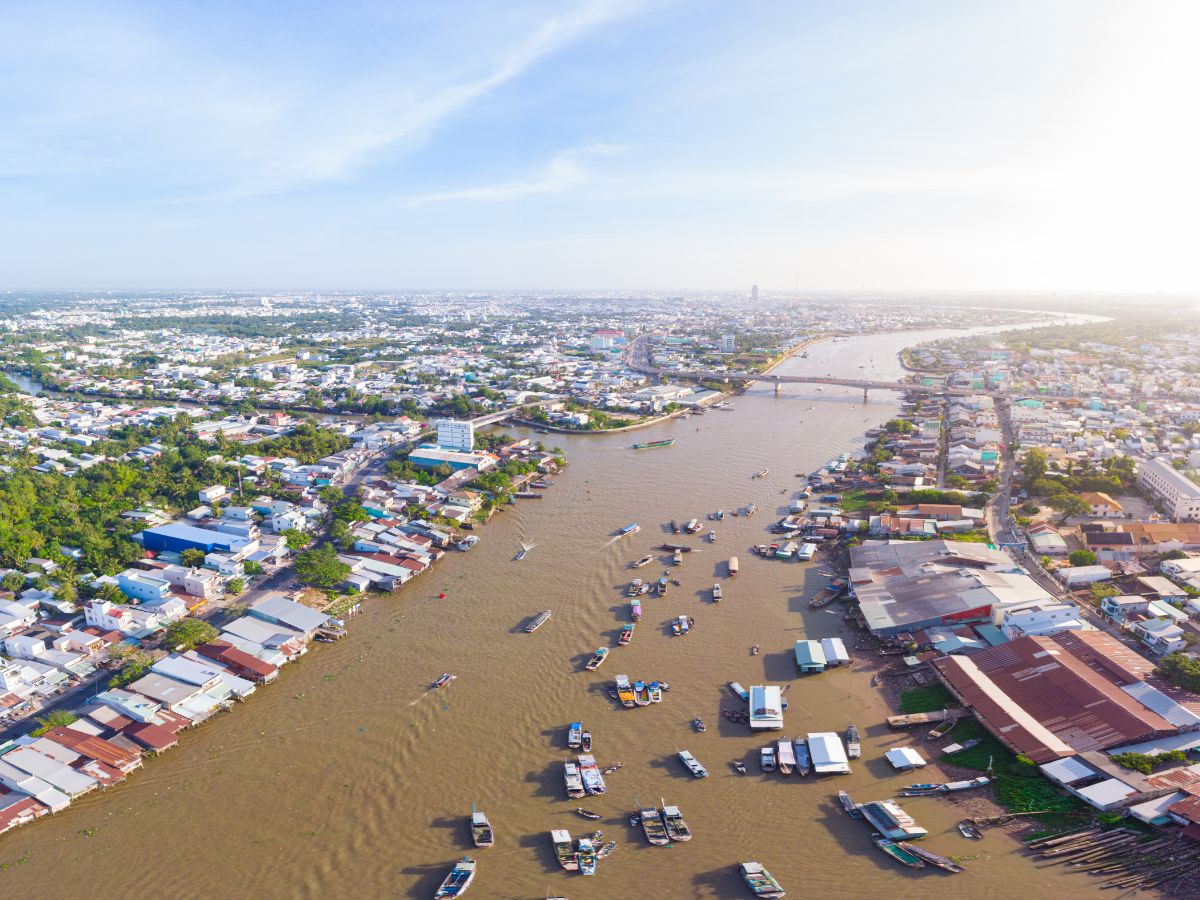
Boat, hand-rowing canal, village road, coconut-based dishes and home-style lunch, return HCMC.
Breakfast and airport transfer; optional café/shop stop if timing allows.
These are the elements that should be visible in the client-facing proposal, not hidden inside the operations file.
This sample structure can prioritize locally rooted restaurants, guides, workshops, boats, and regional services where they fit the group standard. Community, faith, war-history, rural-life, and heritage experiences should be included only when there is a clear purpose, suitable timing, and respectful interpretation. The goal is to avoid shallow, rushed, or extractive group travel by making the operating choices more deliberate.
This section is intentionally practical. It helps decide whether the itinerary is ready to price, or still needs a routing review.
| Minimum viable length | 12 days works cleanly. A 10-day food version should cut Hue or the Mekong, not compress every meal. |
|---|---|
| Main risk | Food tours become chaotic when group size, dietary needs, toilets, seating, and service speed are not checked. |
| Hotel logic | Walkable districts matter because food/culture groups often want safe evening exploration. |
| Agent note | Collect dietary restrictions early. Group food experiences need restaurant confirmation, not just menu ideas. |
For B2B use, inclusions should be clear enough for partners to protect margin and avoid client misunderstanding.
For programs that include Ho Chi Minh City, VGO can draw from the same local research and guide briefing behind Saigon Walks. This is most useful when the partner wants a city experience that feels observed, social, and contemporary rather than a generic drive-by city tour.
Review these pages before turning a sample itinerary into a live proposal.
These pages support the quote, guide brief, and operational assumptions behind this sample program.
Use the 12-day route logic for food, culture, Central Vietnam, and Mekong pacing.
Review how group meals should be planned beyond menu selection.
Food and market visits need guides briefed on pacing, context, and guest expectations.
Check routing, hotels, arrivals, meals, guides, and quote assumptions before the program is sold.
These notes keep the sample itinerary aligned with quote and operating decisions before it becomes client-facing.
No. This is a B2B sample structure. The final itinerary is adapted by group size, source market, travel dates, hotel level, pace, budget, and special interests.
Before quoting, check international and domestic flight timing, hotel location, meal rhythm, walking distance, seasonality, guide suitability, access conditions, and whether the route matches the group profile.
Yes. The overseas agent keeps the client relationship while VGO manages the Vietnam ground layer by agreement.
Final pricing depends on hotel category, rooming pattern, domestic flights, meal level, guide language, group size, arrival pattern, boat or cruise standard, special access needs, and how much flexibility is needed in the route.
Share dates, group size, market, hotel level, pace, budget band, must-see places, and any religious, heritage, food, or mobility requirements. We will review the structure before quoting the ground operation.