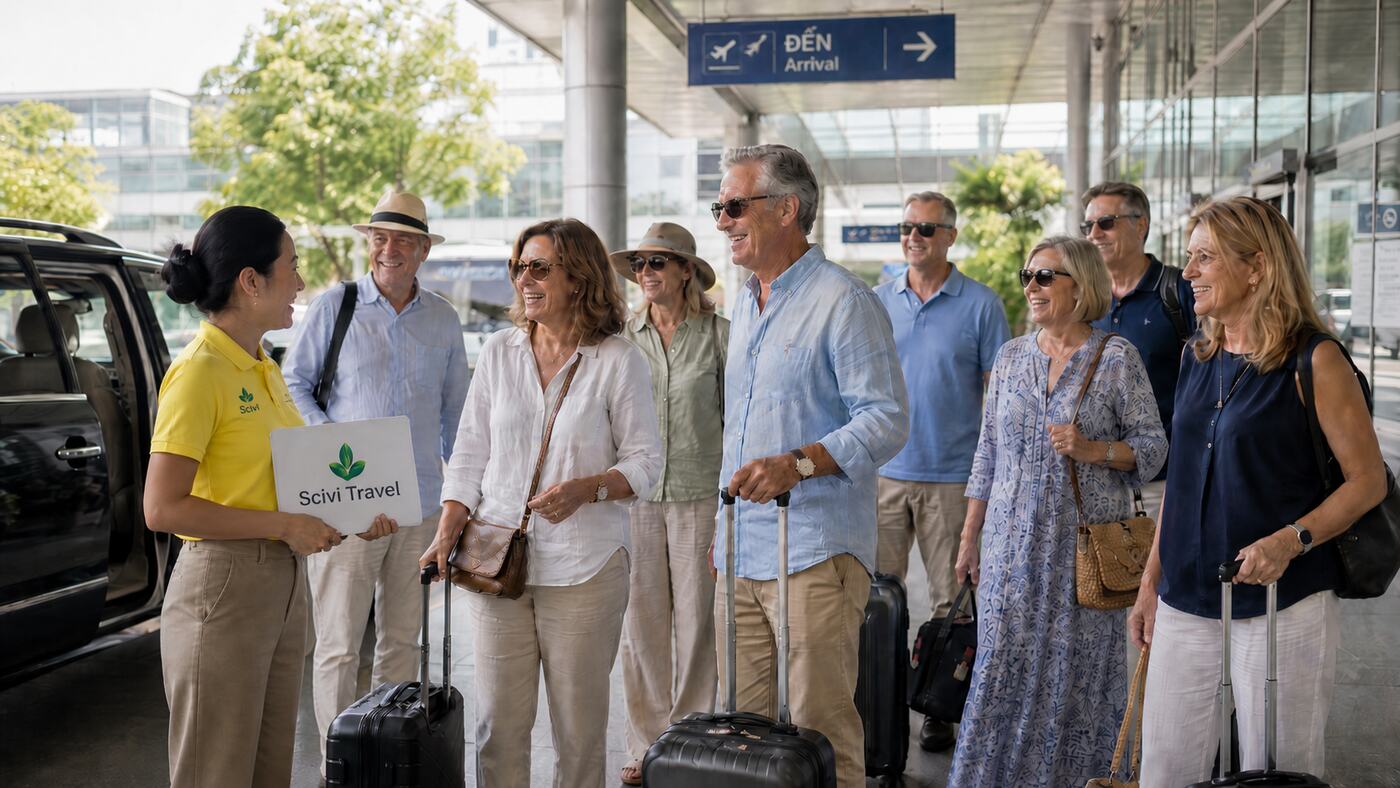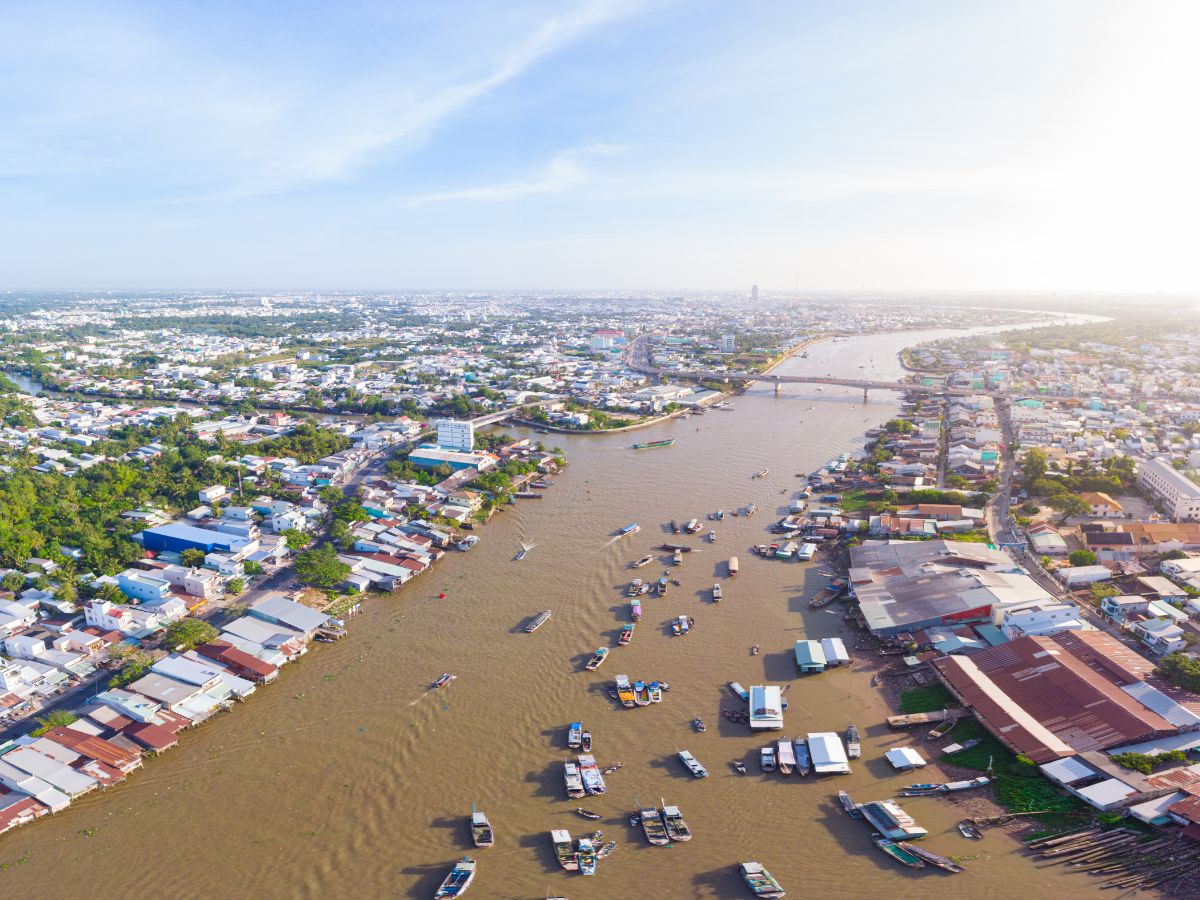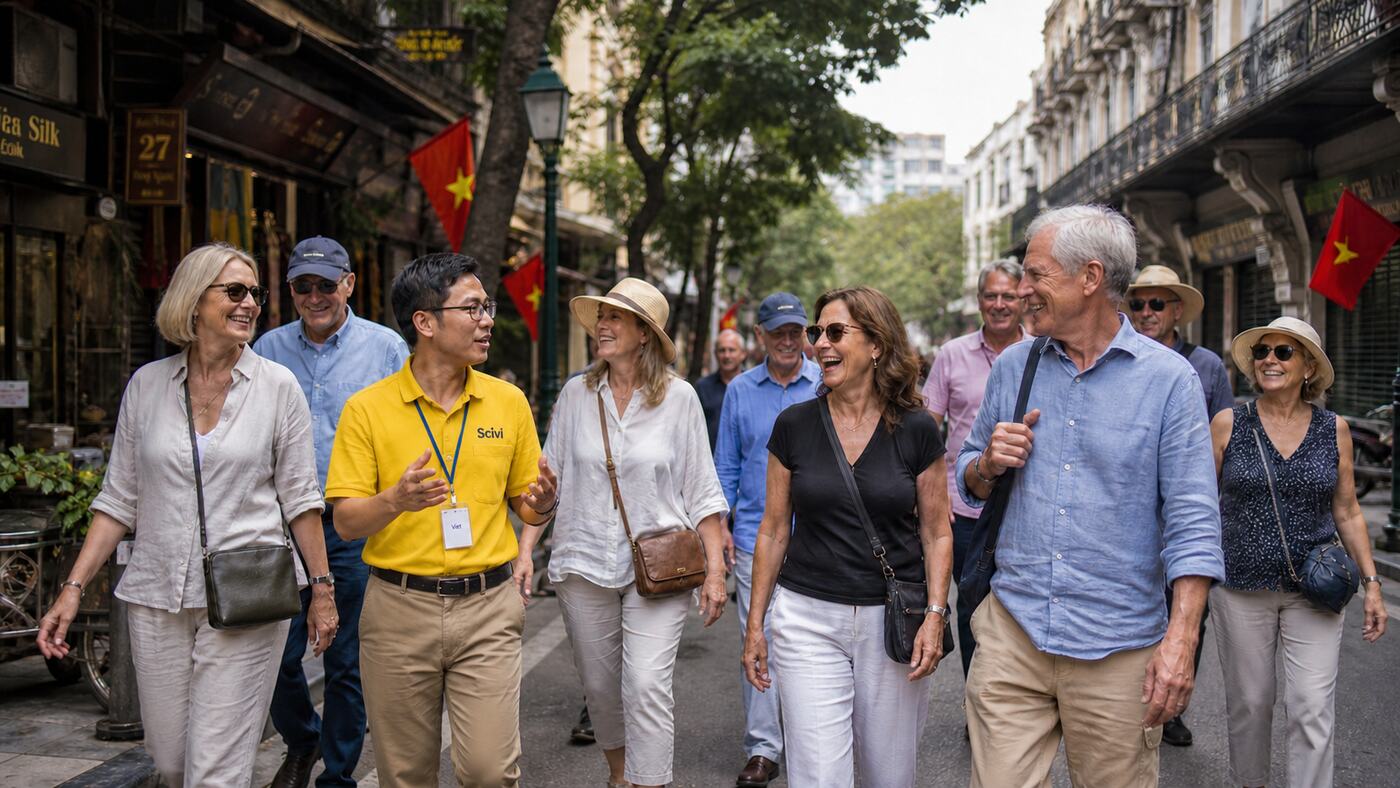
Senior-friendly group travel in Vietnam is mostly about pacing, access, meals, heat, walking load, and hotel location. This sample keeps the cultural layer strong without overloading the day.
A senior-friendly Vietnam program is not created by slowing the brochure down in general terms. It depends on concrete choices: hotel access, rooming, lift reliability, coach comfort, step count, toilet stops, shaded walking, lunch timing, lighter evenings, guide audibility, medical access, and how quickly the day can be adjusted when heat, traffic, or fatigue changes the group’s capacity.
Vietnam is workable for mature travellers, but it should not be operated like a standard adult leisure tour. Hanoi’s Old Quarter, Hoi An’s historic centre, Cu Chi, Mekong piers, domestic airports, cruise boarding, and market walks all require practical judgment. The question is not whether a site is interesting. The question is whether the group can experience it comfortably, with dignity, without losing the energy needed for the rest of the day.
For travel partners, this is where a Vietnam-based operator adds real value before the quote is locked. A route that looks attractive on paper can become difficult if transfers are too long, meals are late, hotels are poorly located, or too many walking-heavy activities are placed back to back. Senior-friendly design protects the travel experience by removing avoidable friction.
This program is not a weaker version of a normal itinerary. It is a different operating design: fewer hotel changes, earlier dinners, better located properties, shorter walking blocks, vehicle-supported sightseeing, and activities that can be adjusted without making the group feel they missed the trip. It is written as a specialist leisure group structure for travel partners, not a fixed retail tour.
The itinerary protects energy and dignity rather than testing endurance.
Enough culture and shared experience, but with space for conversation and rest.
Most issues in senior group travel come from pacing, toilets, stairs, luggage, hotel access, and meal timing.
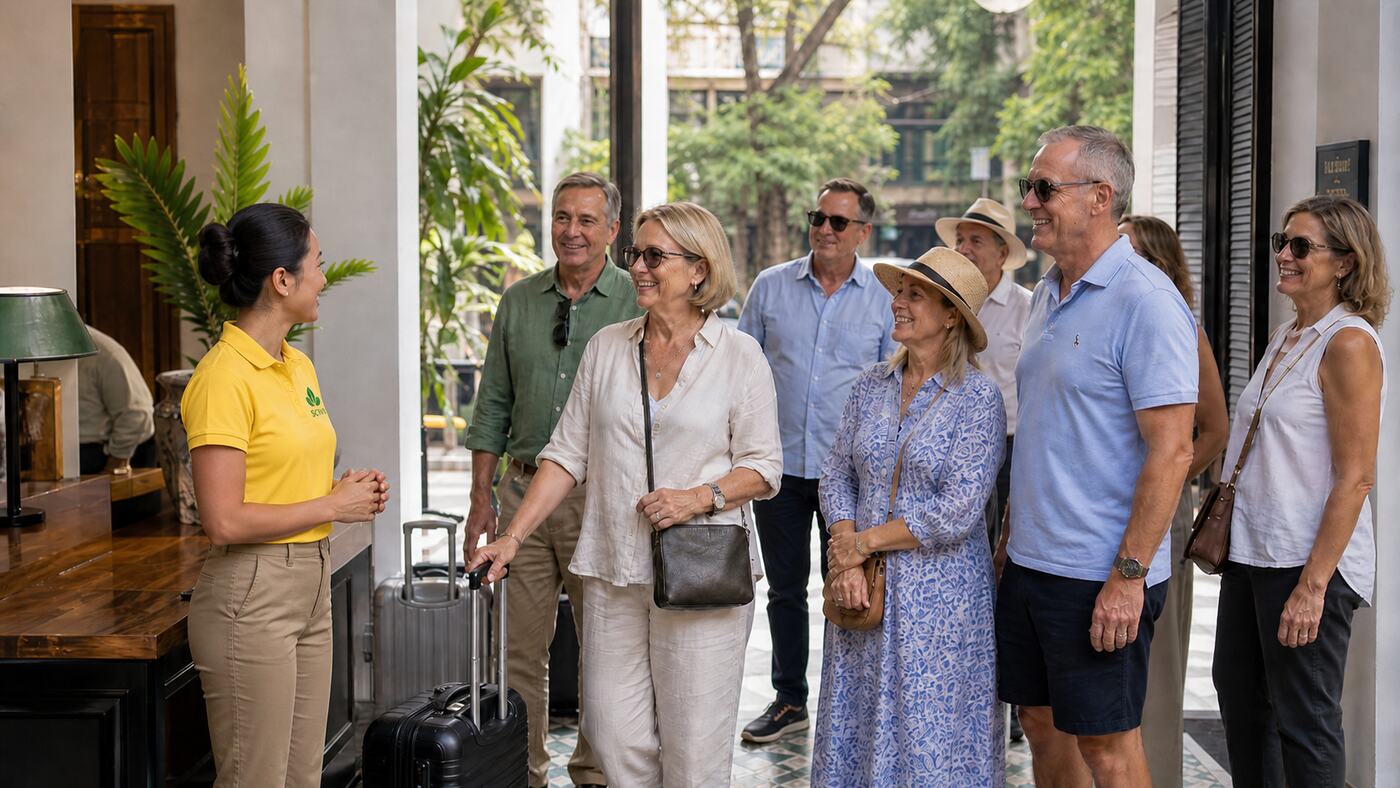
This is written for agent proposal development. Final routing should be checked against flight times, hotel locations, seasonal conditions, and group pace before quote lock.
Meet guide, luggage support, private transfer, early check-in request if needed, welcome dinner close to hotel.
Hoan Kiem, Ngoc Son or Temple of Literature, coffee stop, short cyclo or electric-cart style movement where suitable, early dinner.
Museum of Ethnology or Tran Quoc Pagoda, seated lunch, afternoon rest, optional water-puppet show.
Private transfer with rest stop, board cruise, scenic deck time. Choose cruise based on cabin access, stairs, service level, and pier logistics.
Morning deck time, disembark, fly to Da Nang, transfer to Hoi An. Avoid adding sightseeing after arrival.
Short guided walk, lantern or craft demonstration, coffee/tea stop, free time, dinner within easy transfer distance.
Tra Que garden visit or cooking demonstration, seated lunch, optional basket-boat only if access and comfort are suitable.
Either day trip/overnight Hue for Imperial City and garden-house lunch, or keep Hoi An with My Son/market/relaxation depending on mobility.
Transfer, flight, hotel check-in, central orientation by vehicle with limited walking.
Central Post Office area, market tasting or seated food experience, Saigon River or café stop. Avoid midday heat walking.
Ben Tre boat experience with careful boarding support, home-style lunch, return HCMC or overnight only if group prefers slower travel.
Late check-out request, airport transfer, and departure support.
These are the elements that should be visible in the client-facing proposal, not hidden inside the operations file.
This sample structure can prioritize locally rooted restaurants, guides, workshops, boats, and regional services where they fit the group standard. Community, faith, war-history, rural-life, and heritage experiences should be included only when there is a clear purpose, suitable timing, and respectful interpretation. The goal is to avoid shallow, rushed, or extractive group travel by making the operating choices more deliberate.
This section is intentionally practical. It helps decide whether the itinerary is ready to price, or still needs a routing review.
| Minimum viable length | 12 days works well. A 10-day version is possible if Hue or the Mekong is removed. |
|---|---|
| Main risk | Pretending a standard itinerary is senior-friendly just because the hotels are better. Access and daily rhythm matter more. |
| Hotel logic | Prioritize elevators, coach access, central location, breakfast quality, quiet rooms, and easy dinner transfers. |
| Agent note | Collect mobility notes early: stairs, walking tolerance, dietary restrictions, CPAP/medical needs, and rooming requirements. |
For B2B use, inclusions should be clear enough for partners to protect margin and avoid client misunderstanding.
Review these pages before turning a sample itinerary into a live proposal.
These pages support the quote, guide brief, and operational assumptions behind this sample program.
Check walking distance, heat, stairs, rest stops, and daily rhythm.
Senior groups need hotel placement, rooming, porterage, and check-in assumptions clarified early.
Meal timing, seating, washrooms, and dietary needs matter more for comfort-led groups.
Check routing, hotels, arrivals, meals, guides, and quote assumptions before the program is sold.
These notes keep the sample itinerary aligned with quote and operating decisions before it becomes client-facing.
No. This is a B2B sample structure. The final itinerary is adapted by group size, source market, travel dates, hotel level, pace, budget, and special interests.
Before quoting, check international and domestic flight timing, hotel location, meal rhythm, walking distance, seasonality, guide suitability, access conditions, and whether the route matches the group profile.
Yes. The overseas agent keeps the client relationship while VGO manages the Vietnam ground layer by agreement.
Final pricing depends on hotel category, rooming pattern, domestic flights, meal level, guide language, group size, arrival pattern, boat or cruise standard, special access needs, and how much flexibility is needed in the route.
Share dates, group size, market, hotel level, pace, budget band, must-see places, and any religious, heritage, food, or mobility requirements. We will review the structure before quoting the ground operation.