Operational playbook
Vietnam group hotels and rooming lists: what to lock before final payment
Room type, location, coach access, check-in flow and the final rooming deadline determine whether the hotel supports the journey or quietly disrupts it.

Room type, location, coach access, check-in flow and the final rooming deadline determine whether the hotel supports the journey or quietly disrupts it.
Lock the rooming language before the property, then check whether the chosen property can deliver it on the actual dates. ‘Four star’ says little about twins, lifts, coach access or group check-in.
Separate twin, double, single, triple, leader and complimentary rooms. Confirm whether a twin means two fixed beds or a double bed that may be split, and whether extra beds reduce usable space.
Connecting rooms, walk-in showers and lower-floor requests are limited inventory. They should be treated as requests until the hotel confirms them in writing.
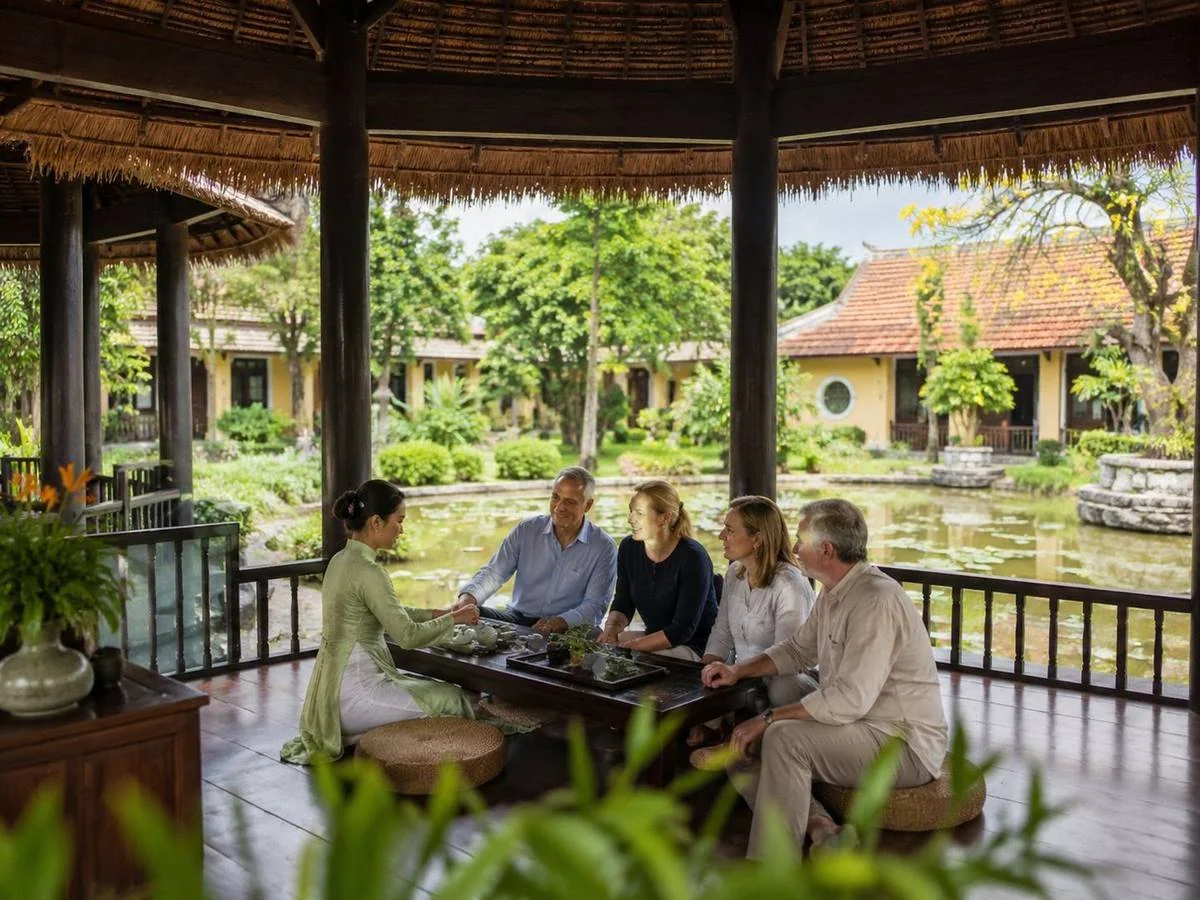
Room type, location, coach access and check-in timing affect the whole operating day; star category alone cannot settle the hotel decision.
A central hotel can support independent evenings and shorter transfers, but may have difficult coach access. A resort may feel calmer while adding forty minutes to every city journey.
Evaluate the property against the final route, not against a brochure image viewed in isolation.
Use passport names, room type, sharing partner, arrival difference, mobility note and dietary or accessibility information where relevant. Version the list and state the cut-off after which changes may incur cost.
Plan who collects passports if required, who distributes keys and where luggage waits if rooms are not ready.
The hotel file should show property, room allocation, bedding, check-in arrangement, porterage, rooming deadline and every item still on request.
Before final payment, request the confirmed hotel list, room-type allocation, check-in arrangement, porterage treatment and rooming deadline. Ask the DMC to flag any room that remains on request.
Send rooming, mobility, noise sensitivity and evening-independence expectations. We will review location, coach access, room types and check-in risk by city.