Private classic journey
HAN-SGN-14-GE
Vietnam regional ways of life
Hanoi, Ninh Binh, Ha Long Bay, Hue, Hoi An, Saigon and the Mekong Delta.

Hanoi, Ninh Binh, Ha Long Bay, Hue, Hoi An, Saigon and the Mekong Delta.
Travel for 14 days from Hanoi and Ninh Binh through Ha Long Bay, Hue and Hoi An to Saigon and Ben Tre, with major sights balanced by village, market and neighbourhood experiences.
Begin with Hanoi’s political centre, educational heritage and Old Quarter, then travel through the villages, waterways and limestone landscapes of Ninh Binh. Continue with an overnight Ha Long Bay cruise before flying to Central Vietnam.
In Hue, guests experience both sides of the former imperial capital: the formal world of the Nguyen court and the quieter garden-house culture of Kim Long. Hoi An then offers a lighter day of crafts, food and river activities, followed by time to enjoy the old town independently.
The final section explores Saigon through its markets, food systems and wartime history before concluding in the coconut-growing communities and waterways of Ben Tre.
Travel from Hanoi into the rural landscapes of Ninh Binh, cruise overnight in Ha Long Bay, then continue through Hue and Hoi An before finishing with Saigon and a full day in Ben Tre.
Arrive at Noi Bai International Airport, where a local representative will welcome the group and assist with the transfer into central Hanoi.
After check-in, the rest of the day is free to recover from the international journey.
Depending on the arrival time, guests may take a short independent walk near the hotel or enjoy a relaxed dinner.
---
Begin the morning in Ba Dinh, the political heart of modern Vietnam.
Visit the Ho Chi Minh historical complex, including the exterior or interior of the Ho Chi Minh Mausoleum subject to opening conditions, the Presidential Palace grounds, Ho Chi Minh’s stilt house and the One Pillar Pagoda.
At the Ho Chi Minh complex, the guide introduces the historical setting and Ho Chi Minh’s continuing place in national memory and public life.
Continue to the Temple of Literature, founded in the 11th century and closely associated with Vietnam’s Confucian educational tradition. The guide explains the historic importance of scholarship, examinations and social advancement in Vietnamese society.
Lunch is served at KOTO, a social enterprise that provides hospitality training and employment pathways for young people from disadvantaged backgrounds.
After lunch, return to the hotel for a short rest.
In the mid-afternoon, explore the Old Quarter on foot. Continue on foot through selected Old Quarter streets, passing former trade streets, communal spaces, family businesses and the busy commercial life of the district.
Conclude the day with a traditional water puppet performance.
The evening is free for dinner.
---
Leave Hanoi after breakfast and travel south through the Red River Delta to Ninh Binh.
Visit Hoa Lu, the capital of Vietnam during the Dinh and Early Le dynasties in the 10th century. Visit Hoa Lu, the 10th-century capital of the Dinh and Early Le dynasties, set among the limestone hills before continuing into the surrounding countryside.
After lunch, continue to the countryside resort and check in.
Allow time to settle into the property before beginning a guided bicycle ride directly from the resort. Follow quiet village lanes through rice fields, limestone valleys and small communities.
Cycle through village lanes, rice fields and limestone valleys at an easy pace, with stops in the working countryside. Guests return directly to the resort in the late afternoon.
The evening is free to enjoy the grounds and surrounding countryside.
---
After breakfast, travel by vehicle to the Ninh Van area for a visit to the Thiện Dưỡng Catholic community.
Catholicism has been present in parts of Ninh Binh for generations and remains a visible part of the region’s social and cultural landscape. Spend time in the Thiện Dưỡng Catholic community, where the church, village lanes and local households show how Catholic life has long formed part of rural Ninh Binh.
Where access allows, continue to local stone-working workshops and learn how the craft developed alongside farming and village life.
Continue to Trang An, where a small rowing boat carries guests through a network of rivers, limestone cliffs, caves and valleys. Although the scenery shares geological characteristics with Ha Long Bay, the experience is more enclosed, intimate and closely connected to the surrounding agricultural landscape.
After lunch, return by road to Hanoi.
Arrive in the late afternoon or early evening and check back into the Hanoi hotel.
---
Depart Hanoi in the morning for the coast.
Board an overnight cruise and settle into the cabin as the vessel begins its journey through Ha Long Bay or a quieter neighbouring section of the wider bay system.
Lunch is served on board while the cruise passes limestone islands and sheltered waterways.
Afternoon activities vary according to the selected vessel and sailing route. These may include kayaking, a small-boat excursion, a cave visit or time on deck.
Return to the vessel for sunset, dinner and an evening on the bay.
The cruise is designed as a slower interlude after the walking and cycling experiences in Hanoi and Ninh Binh.
---
Wake to the quiet morning atmosphere of the bay, with an optional early activity before breakfast. Guests may join an optional early activity before breakfast.
The cruise continues through the limestone landscape before returning to port in the late morning.
After disembarkation, transfer to the appropriate regional airport for the flight to Central Vietnam. Depending on the operating flight schedule, the arrival airport may be Hue or Da Nang.
Continue by private vehicle to Hue and check in.
No formal evening programme is scheduled. Guests may have a light dinner and rest in preparation for the following day’s cycling and cultural programme.
---
Spend the day in Kim Long, a historic residential area along the Perfume River.
Once closely associated with mandarins, royal relatives and influential families of the Nguyen period, Kim Long remains known for its garden houses, traditional architecture and long-established households.
Travel mainly by bicycle along flat roads and quiet lanes, stopping at garden houses and neighbourhood sites along the way. Alternative transport can be arranged for guests who prefer not to cycle.
Visit several garden houses and meet members of local families whose histories are connected to the former imperial capital. Learn how architecture, family ancestry, food, landscape and traditional ideas of health are integrated into daily life.
Depending on the household and season, stop for garden produce, tea, traditional snacks or a demonstration of a local craft.
Join a local cooking session and share a home-style Hue lunch in a garden-house setting.
The afternoon continues at a relaxed pace and may include herbal foot soaking, tea or seasonal local specialities before cycling back.
The afternoon remains with local households and neighbourhood settings before returning to the hotel. The formal monuments of imperial Hue are reserved for the following morning.
---
Visit Hue’s Imperial City, the political and ceremonial centre of the Nguyen dynasty.
Walk through the former royal complex as the guide introduces court life, state rituals, architecture and the changes that followed during the colonial and wartime periods.
Walk through the Imperial City’s gates, palaces and ceremonial spaces, adding the formal world of the Nguyen court to the previous day’s more domestic view of Hue in Kim Long.
After lunch, leave Hue for Hoi An.
Travel south through the coastal landscape, crossing the Hai Van area en route. Continue south over the Hai Van area, with short scenic and comfort stops en route to Hoi An.
Arrive in Hoi An and check in.
The evening is free for an initial independent walk through the old town.
---
Begin in or near the historic centre with a lantern-making workshop.
Under the guidance of a local craft instructor, guests learn about the basic structure and assembly of the colourful fabric lanterns now closely associated with Hoi An. The workshop is practical and informal, with each guest completing a small lantern.
Continue by vehicle to Tra Que, a village known for its herb and vegetable gardens.
Walk through the cultivated fields and learn how local herbs and fresh ingredients are used in Central Vietnamese cooking. The farming visit is kept grounded and does not attempt to stage an artificial “farmer for a day” experience.
Join a cooking class using regional ingredients, followed by lunch featuring the dishes prepared during the session.
After lunch, travel to Cam Thanh and the Bay Mau coconut-palm area.
Board traditional round basket boats for a short journey through the waterways, passing nipa palms and the coastal wetland landscape surrounding Hoi An.
Return to the hotel or old town by mid-afternoon.
Allow several hours for rest, swimming, shopping or independent exploration.
In the evening, return to the illuminated old town. Walk along the river and release a small flower lantern on the water as a simple conclusion to the day.
Dinner is at leisure.
---
The morning is free.
Guests may return to the old town, visit local shops, relax at the hotel, arrange a spa treatment or spend time at the beach depending on the location of the property.
After check-out, transfer to Da Nang International Airport for the afternoon flight to Ho Chi Minh City.
Upon arrival, meet the local team and transfer to the hotel in central Saigon.
The evening is free for dinner and independent exploration.
---
Begin the morning with From Market to Market, a signature walking experience through central Saigon.
Follow a guided route through central Saigon’s markets, trading streets and food stops, observing how traditional commerce sits alongside modern development.
Starting around one of central Saigon’s longstanding food and commercial areas, walk through older market streets, narrow trading lanes, food counters and neighbourhood spaces before continuing toward Ben Thanh Market.
Pause for selected tastings and street-level observations that introduce the different communities and economic layers that have shaped the city.
Move between formal markets, family businesses and informal street trade, with the guide pointing out Vietnamese, Chinese, Indian and European influences in the commercial life of central Saigon.
Walking distances are modest, with frequent stops in markets, lanes and trading streets. Larger groups should be divided into smaller guided sections to preserve access and interaction within the markets and lanes.
The tour concludes around lunchtime.
The afternoon is free.
Guests may independently visit the Reunification Palace, walk along Nguyen Hue Boulevard, shop, enjoy a rooftop drink or return to the hotel.
---
Depart the city in the morning for Cu Chi.
Visit the Cu Chi tunnel area and walk through the surrounding landscape while the guide explains the underground systems, rural communities and guerrilla operations based here during the war. The visit includes selected sections of the tunnel complex, but guests are not required to crawl through confined spaces.
Skip the shooting range and spend the visit on the tunnel landscape, underground engineering, living conditions and military history.
Return to Saigon around midday.
Stop for lunch at Phở Bình, a modest noodle restaurant that served as a clandestine meeting and coordination point during the Tet Offensive.
The restaurant allows the wartime story to shift from the rural tunnels of Cu Chi to the hidden networks operating within the city itself.
Continue to a preserved urban weapons bunker, where arms were once concealed beneath an ordinary residential building.
The final visit is the War Remnants Museum.
At the War Remnants Museum, allow time to move through exhibitions on combat, civilian casualties and the long-term consequences of war. Some galleries contain graphic material, so guests are briefed before entering and may visit at their own pace.
After Cu Chi, return to Saigon for sites connected with clandestine wartime networks and the later public memory of the conflict:
Return to the hotel in the late afternoon.
The evening is free.
---
Leave Saigon early in the morning and travel south to Ben Tre.
Begin at a working local market, where residents shop for fruit, vegetables, fish, household goods and everyday supplies. Begin at a working local market used primarily by residents before continuing into the coconut-growing countryside and smaller waterways.
Board a motorised boat and travel along the larger waterways of the Mekong Delta.
Observe riverside homes, agricultural activity, small docks and the movement of goods along the water.
Continue by local xe lôi or another small local vehicle into the coconut-growing countryside.
Ben Tre’s economy and household life remain closely tied to the coconut palm. Visit small-scale workplaces and family enterprises to see how different parts of the coconut are processed into food, household materials and other products.
No compulsory shopping stops are included.
Continue deeper into the village landscape, travelling through small roads and settlements. Depending on guest mobility and local conditions, take a short, easy bicycle ride along flat rural lanes. A non-cycling alternative can be arranged for private groups.
Transfer to a hand-rowed sampan for a quieter journey along narrow palm-lined canals.
Lunch is served in a small local or home-style setting, featuring regional dishes and seasonal ingredients.
After lunch, begin the return journey to Saigon.
Traffic conditions vary, so arrival at the hotel is normally expected between approximately 4:30 and 5:30 pm.
The evening is free for a farewell dinner.
---
Breakfast at the hotel.
The room remains available until the standard check-out time unless a late check-out has been arranged.
At the appropriate time, transfer to Tan Son Nhat International Airport for the departure flight.
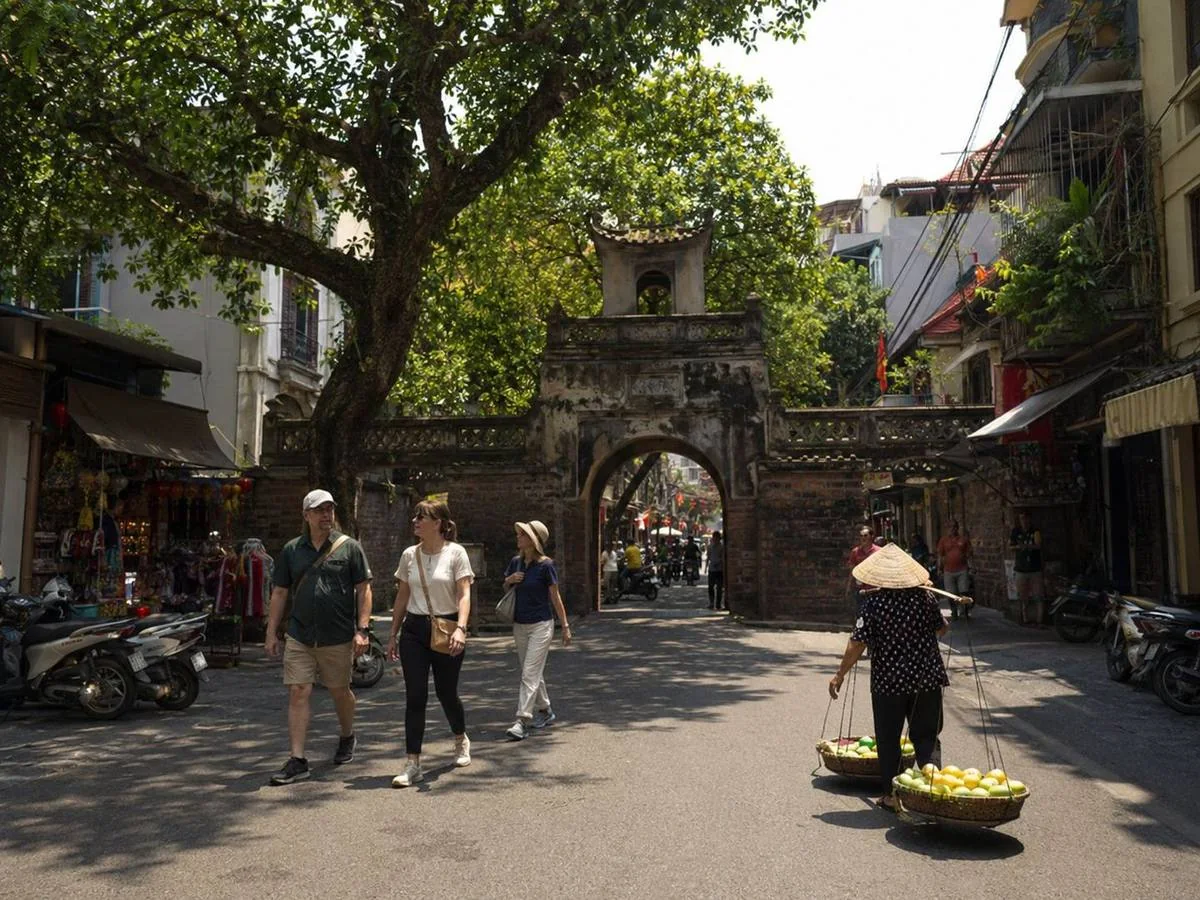
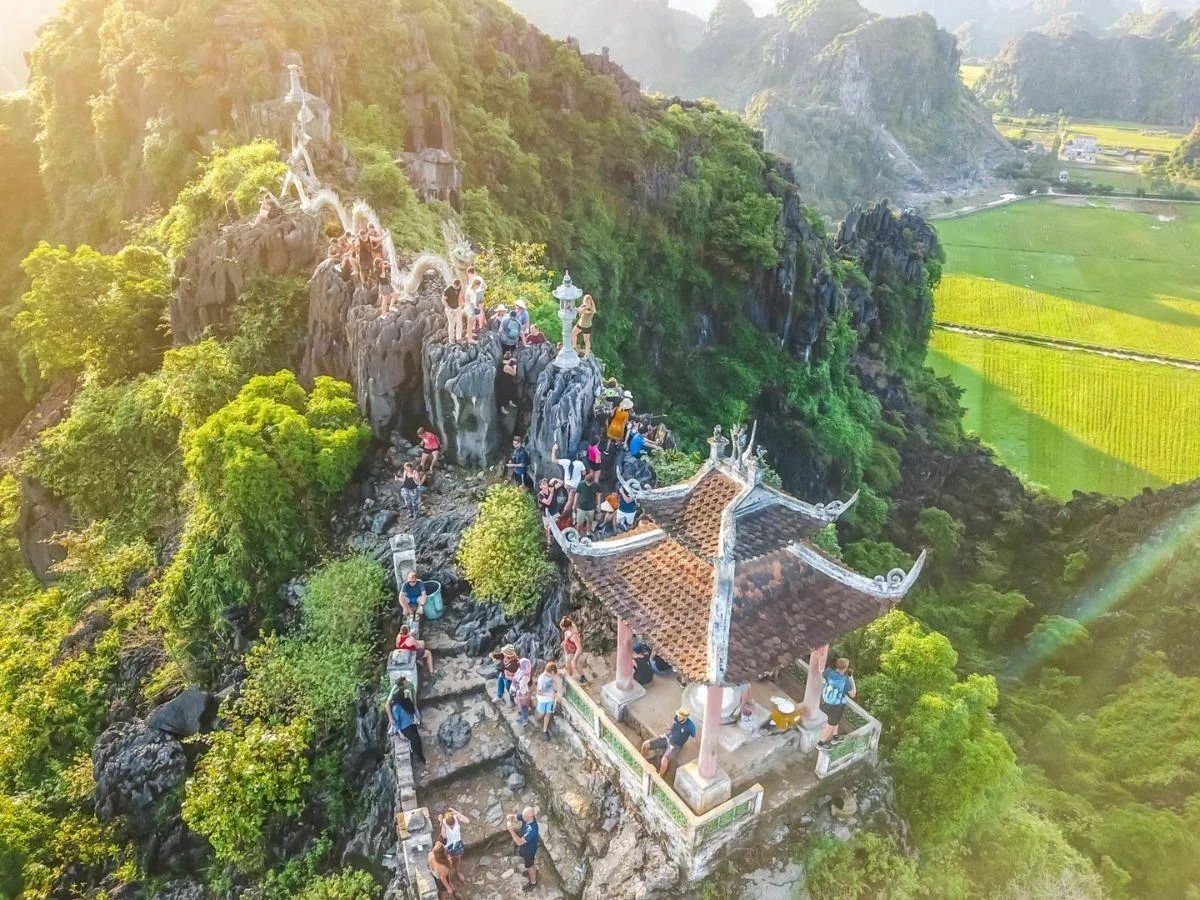
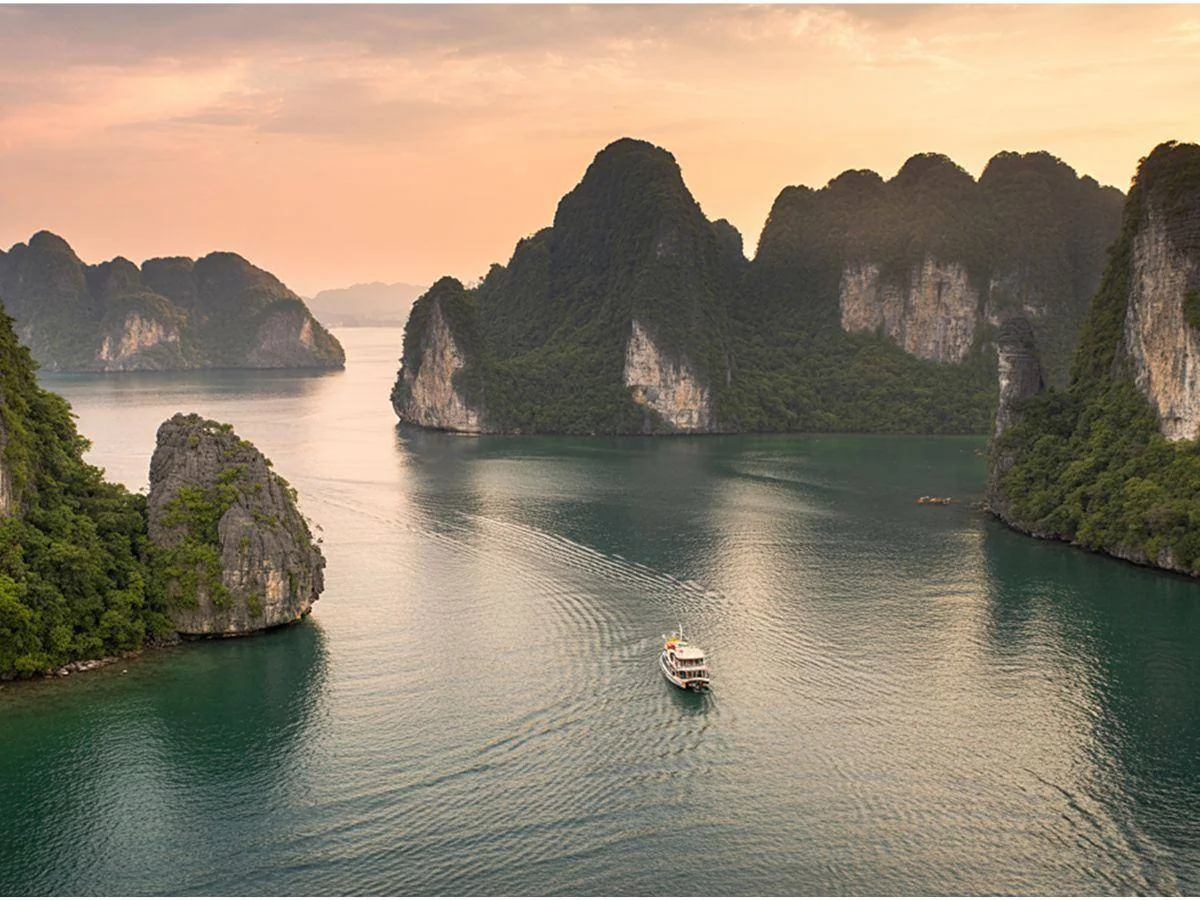
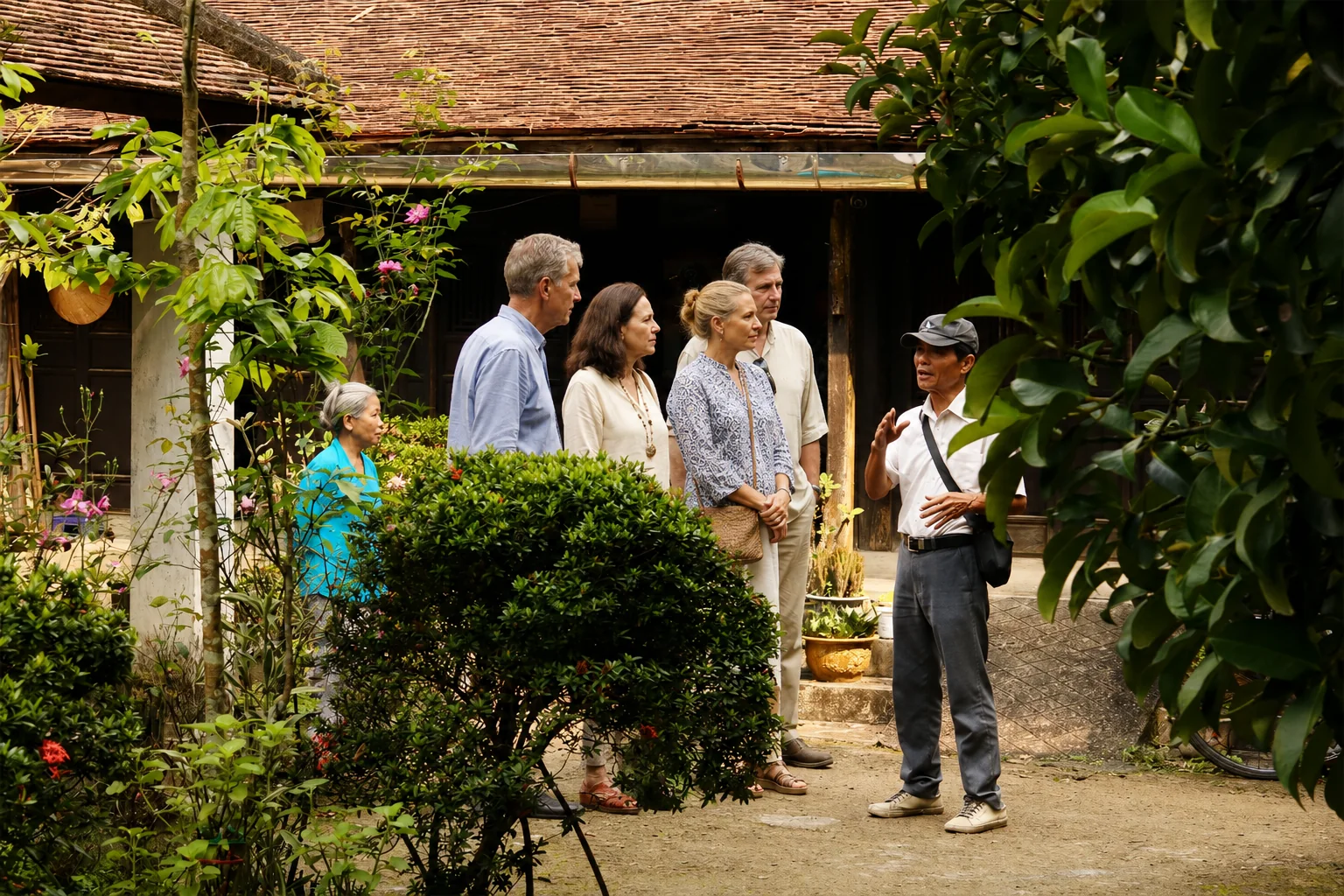
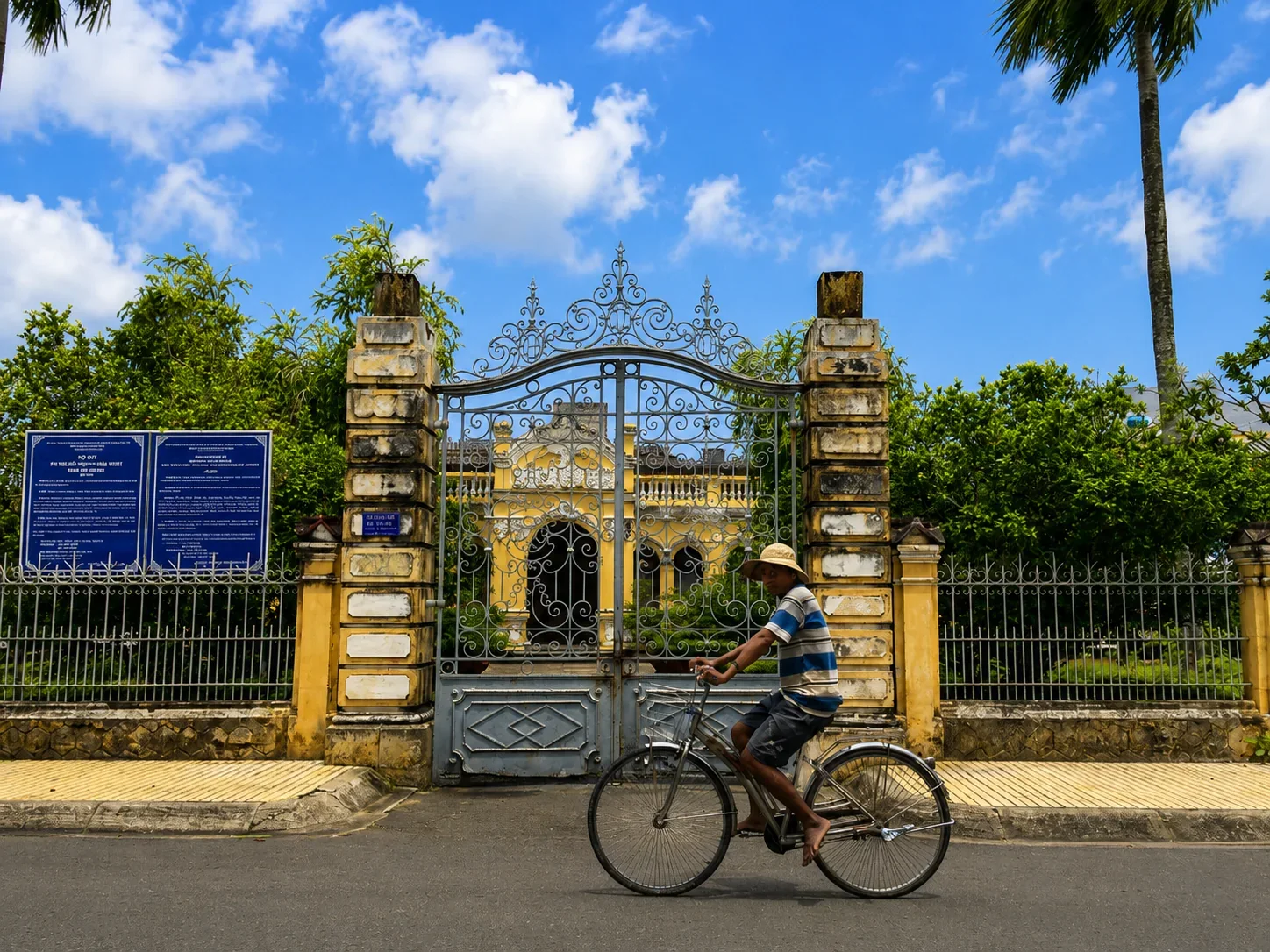
Walking is concentrated in Hanoi, Hue, Hoi An and Saigon. Cycling in Ninh Binh and Ben Tre is short and recreational; Kim Long can use bicycles or supported transport.
Trang An, Ha Long Bay, Hoi An and Ben Tre involve different types of boats. Boarding assistance and non-cycling alternatives can be planned for private groups.
Open periods after arrival, in Hoi An and in Saigon are planned breathing space for rest, shopping, spa time or independent interests.
Guiding can be arranged with regional specialists or one lead guide travelling throughout, supported by local teams.
Central four- and five-star hotel options, an overnight cruise and restaurants are confirmed according to group profile, dates and budget.
Domestic flights, airport transfers, luggage movement, hotel timing and guide handovers are managed as one connected operating plan.
Visit Kim Long for garden houses and family life around the former court, then the Imperial City for Hue’s formal royal centre.
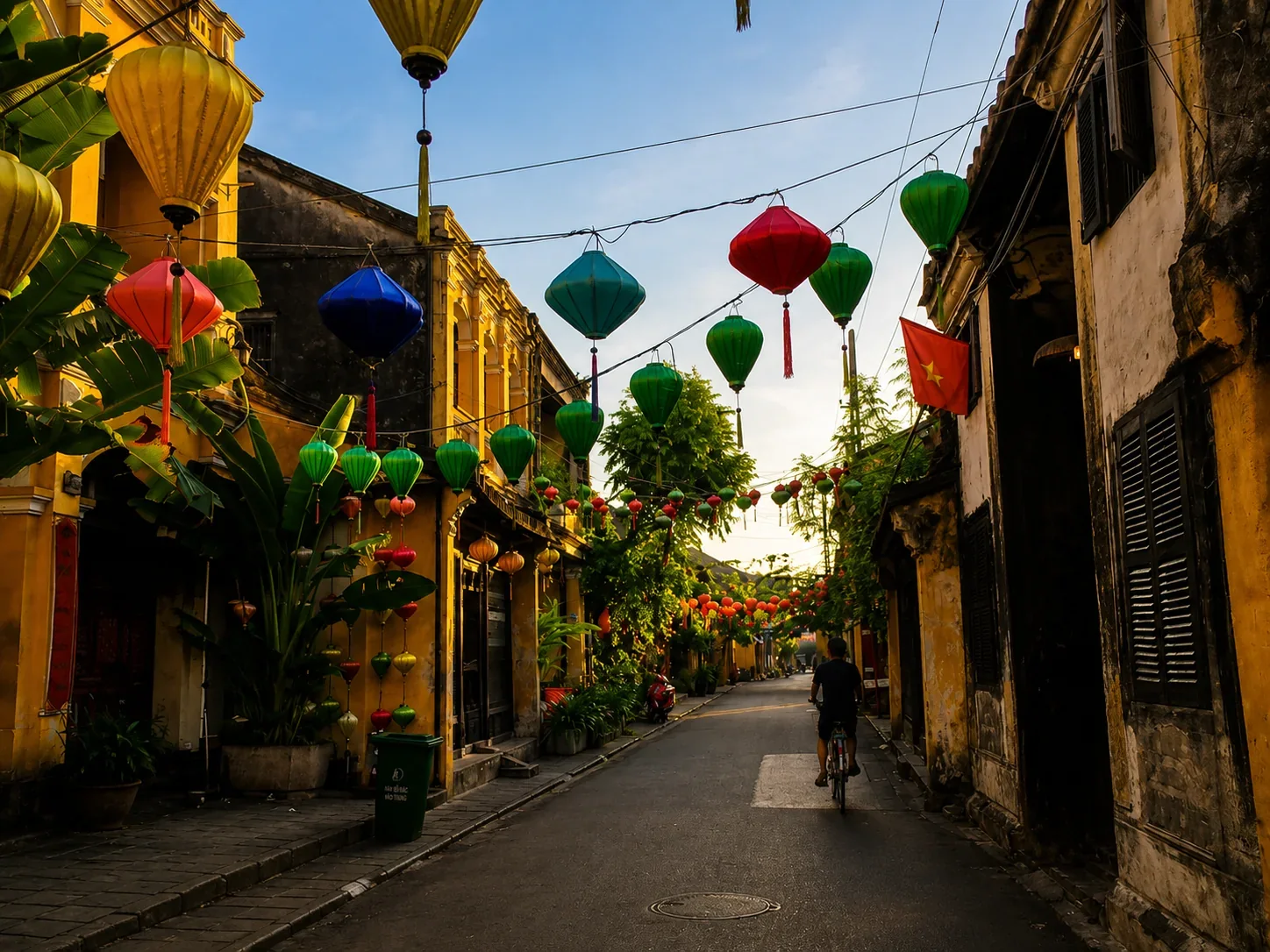
Lantern craft, Tra Que gardens, a cooking session, basket boats and an evening lantern release are balanced with several free hours.
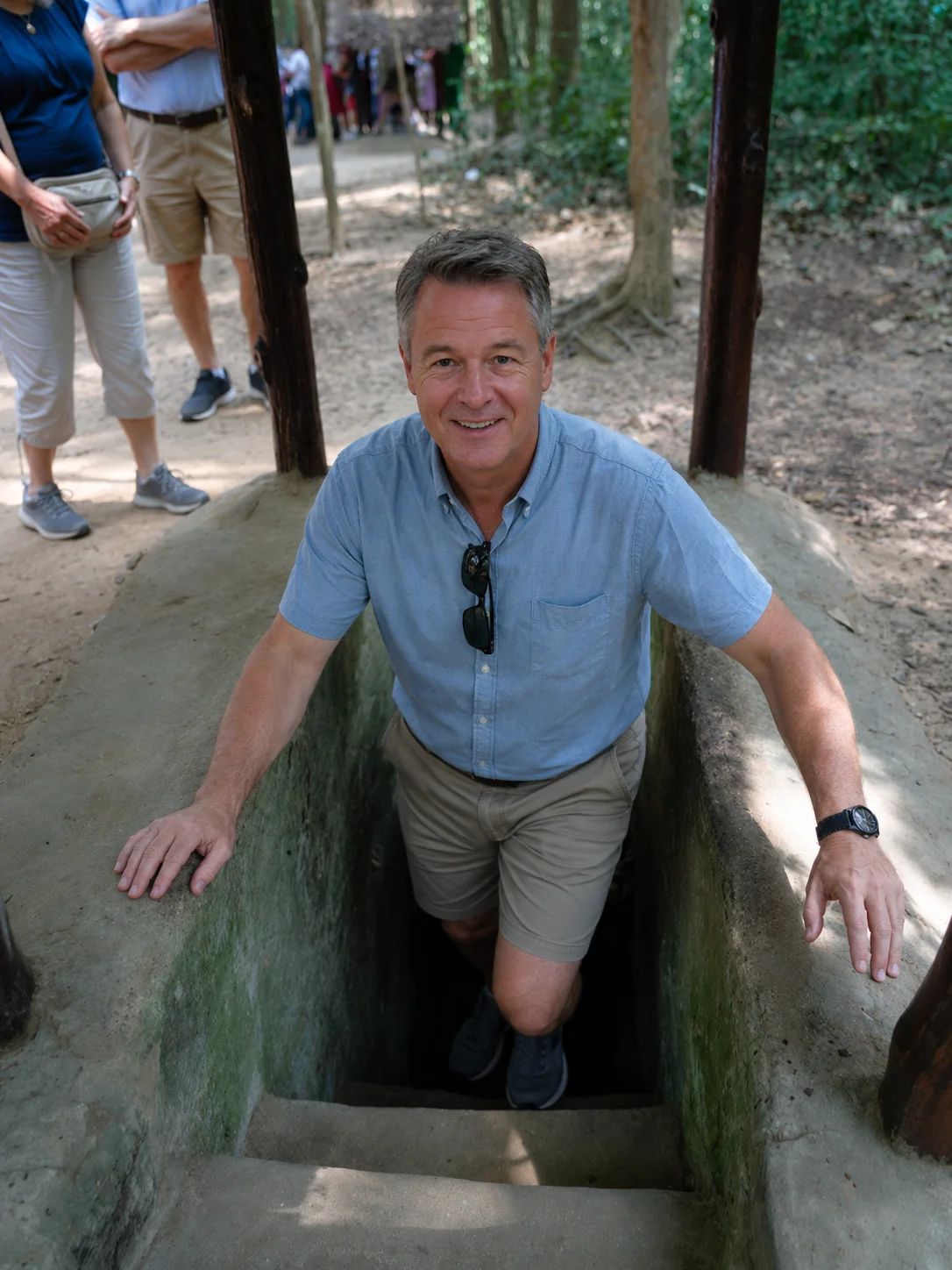
Cu Chi, Pho Binh, a preserved urban weapons bunker and the War Remnants Museum connect rural warfare, clandestine Saigon and public memory.
Hanoi, Ninh Binh, the bays and mountain routes, with practical advice on pacing and connections.
See destination →Imperial sites, garden houses, pagodas, food and how long to stay.
See destination →Hoi An, Da Nang, Mỹ Sơn, craft, food and realistic Central Vietnam weather planning.
See destination →Central Saigon, Chợ Lớn, neighbourhoods, food and wartime sites.
See destination →Compare Bến Tre, Cần Thơ and Châu Đốc before choosing the Delta route.
See destination →SaigonWalks can deepen the southern regional contrast through small-scale neighbourhood routes rather than a generic city overview.
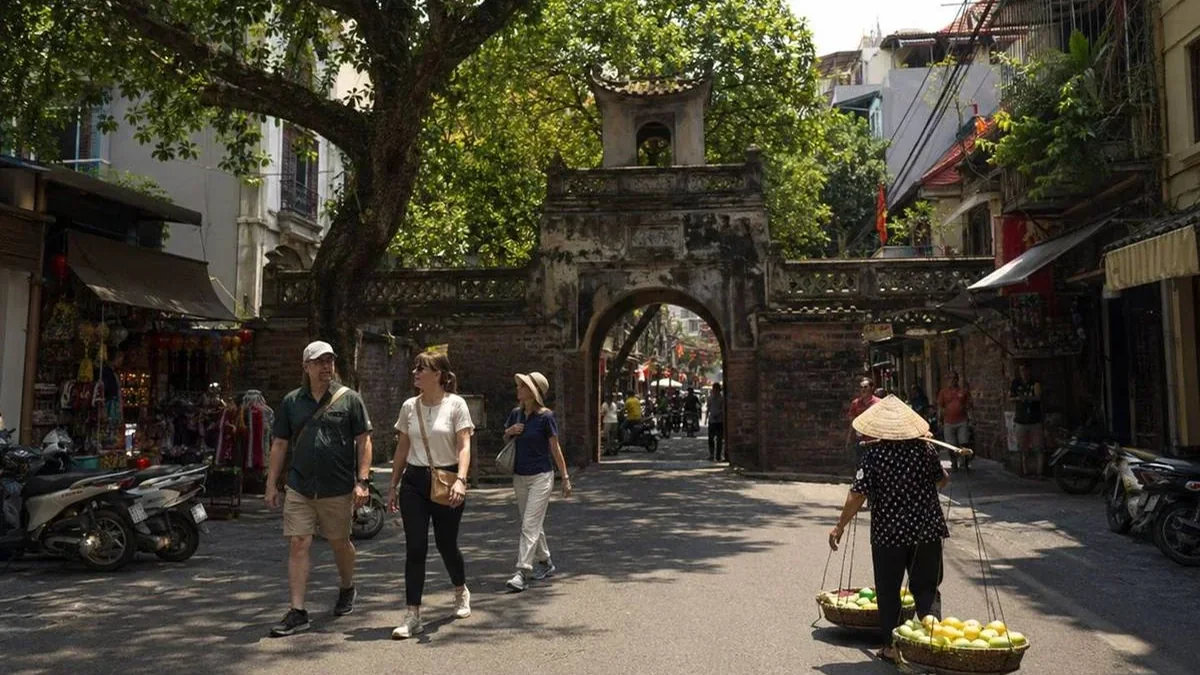
Begin in Hanoi and travel south through Ha Long Bay, Hue, Hoi An and Ho Chi Minh City, with a compact pace suited to a first journey through Vietnam.
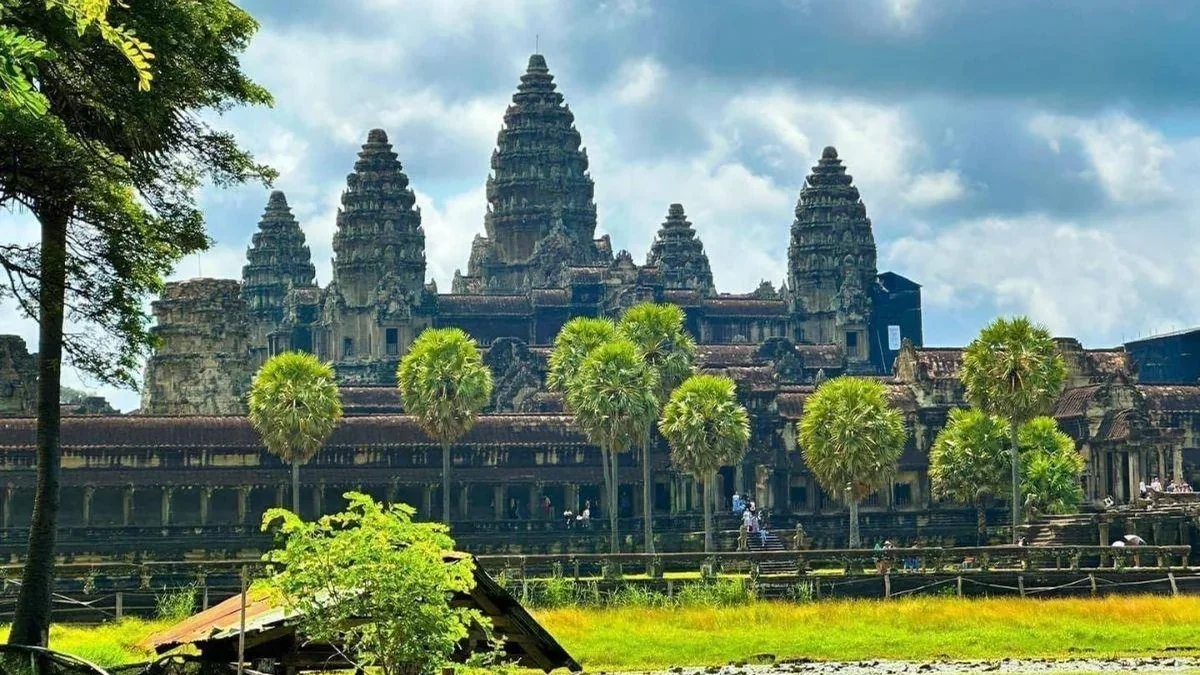
Travel from Hanoi through central and southern Vietnam before continuing along the Mekong to Phnom Penh and the temples of Angkor.
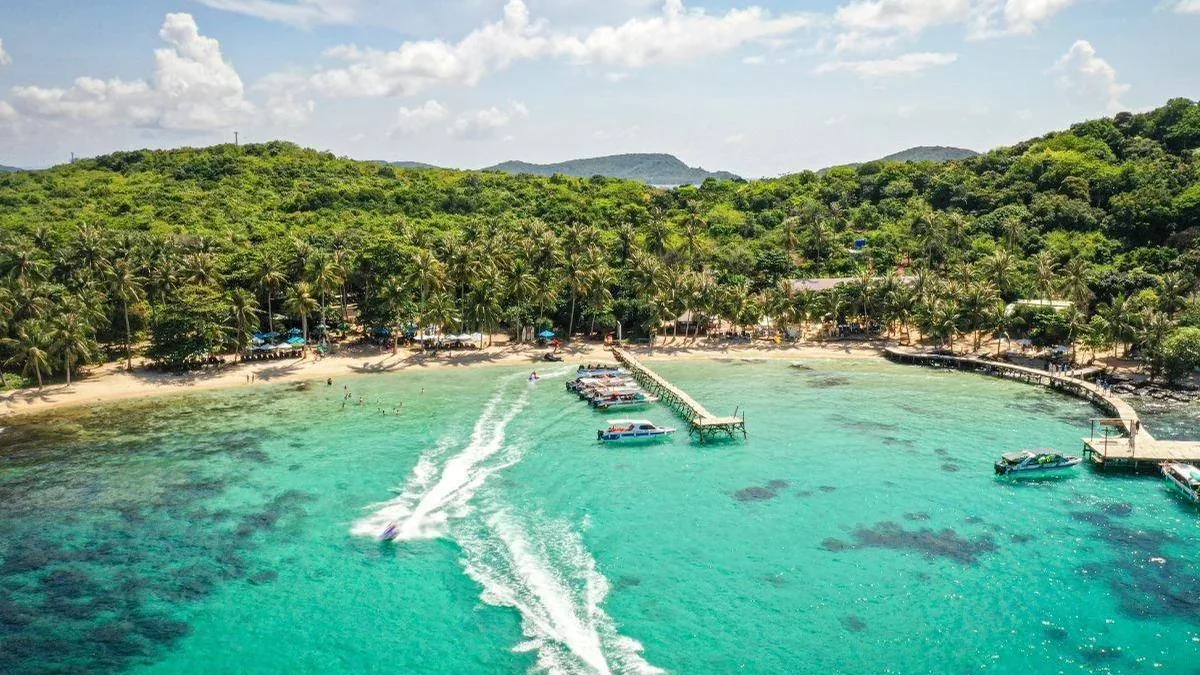
Travel west from Ho Chi Minh City through Ben Tre, Can Tho, Chau Doc and Ha Tien before continuing across the Gulf of Thailand to Phu Quoc.
We will confirm the hotel plan, cruise category, guide model, restaurants, inclusions and any mobility adjustments.