Special-interest journey
HAN-SGN-13-TH
13-day Buddhist Vietnam: Hanoi to Ho Chi Minh City
Travel from Hanoi to Ho Chi Minh City through sacred landscapes, imperial Hue, monastic communities and contemporary Buddhist life.

Travel from Hanoi to Ho Chi Minh City through sacred landscapes, imperial Hue, monastic communities and contemporary Buddhist life.
Travel from Hanoi and Ninh Binh to Hue, Hoi An and Ho Chi Minh City, visiting pagodas, former capitals and neighbourhood religious sites along the way.
Hue receives the longest stay, with time at Từ Hiếu, the Imperial City and quieter religious settings before the journey continues south. In each region, temple visits are balanced with the streets, communities and family practices around them.
The route is national in scope but gives Hue the longest stay, allowing history, monastic context and contemplative time to sit together.
Meet the guide on arrival and transfer to the hotel. Keep the evening light, with a welcome dinner and a short introduction to the Buddhist sites and communities included along the route.
Begin with one significant Hanoi pagoda before continuing through selected historical settings in Ba Dinh or the Old Quarter. The guide introduces the place of Buddhism within the capital's political, family and neighbourhood life without rushing through a long list of temples.
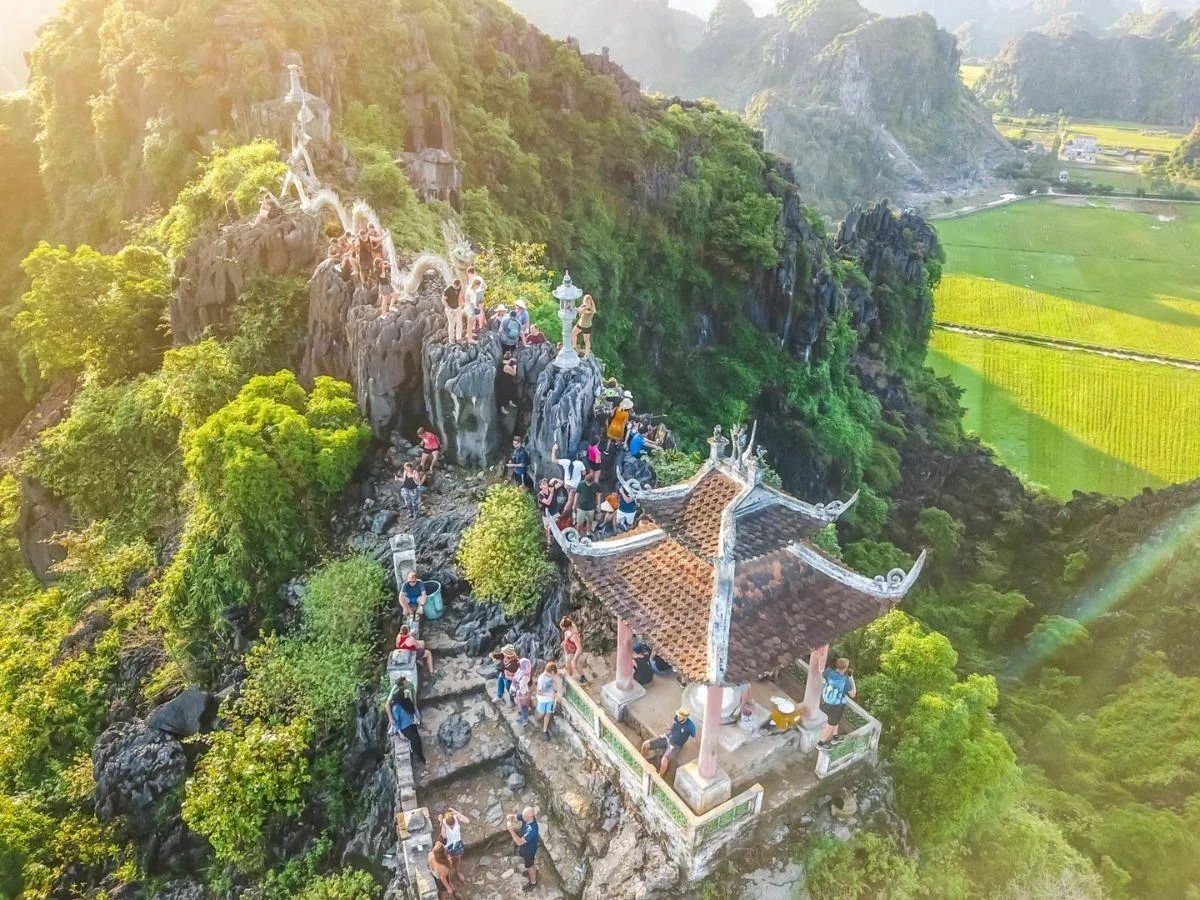
Travel south to Ninh Binh and visit a former political centre together with a nearby religious site. Limestone hills, river valleys and temple settings show how sacred architecture developed within the landscape as well as within individual buildings.
Return toward Hanoi and transfer to the airport for the flight to Hue. Meet the local team on arrival, check in and keep the rest of the day free beside the Perfume River.
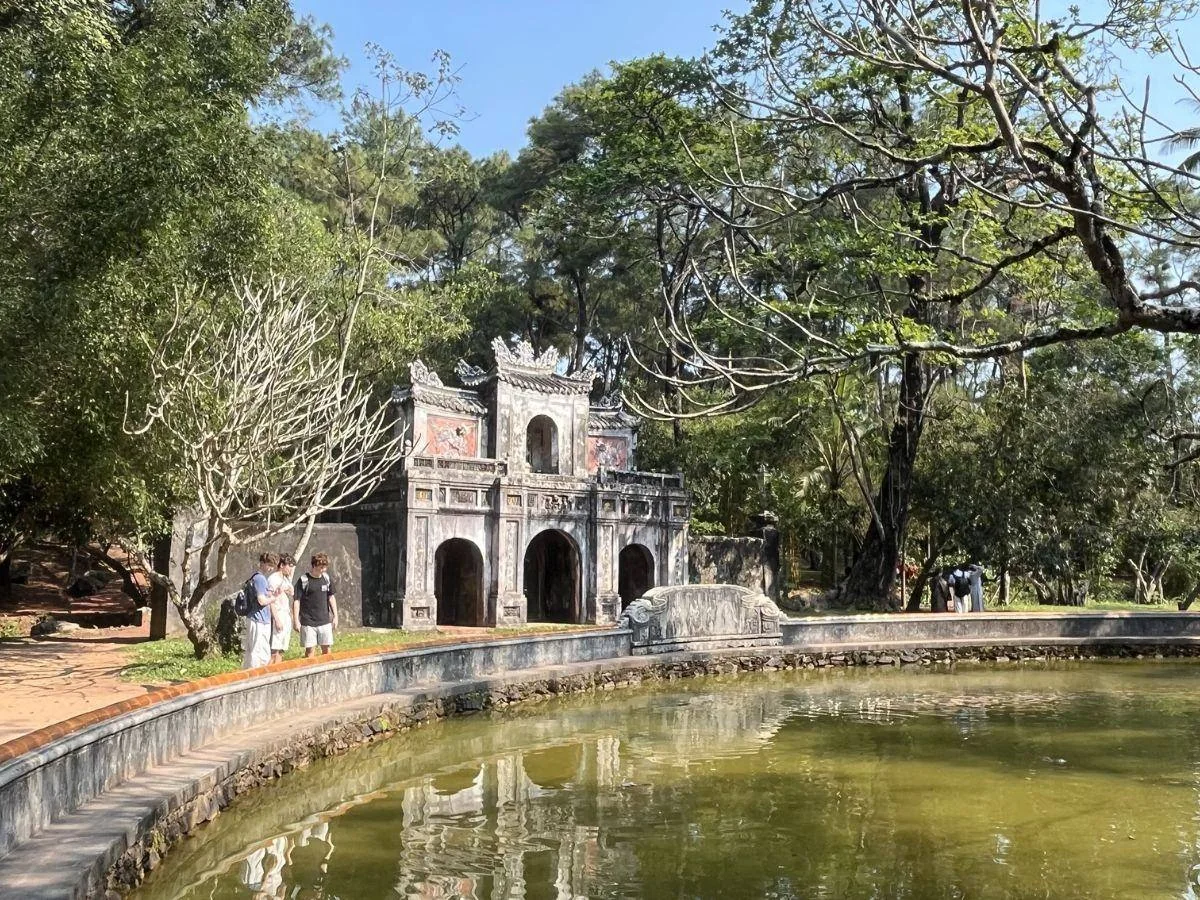
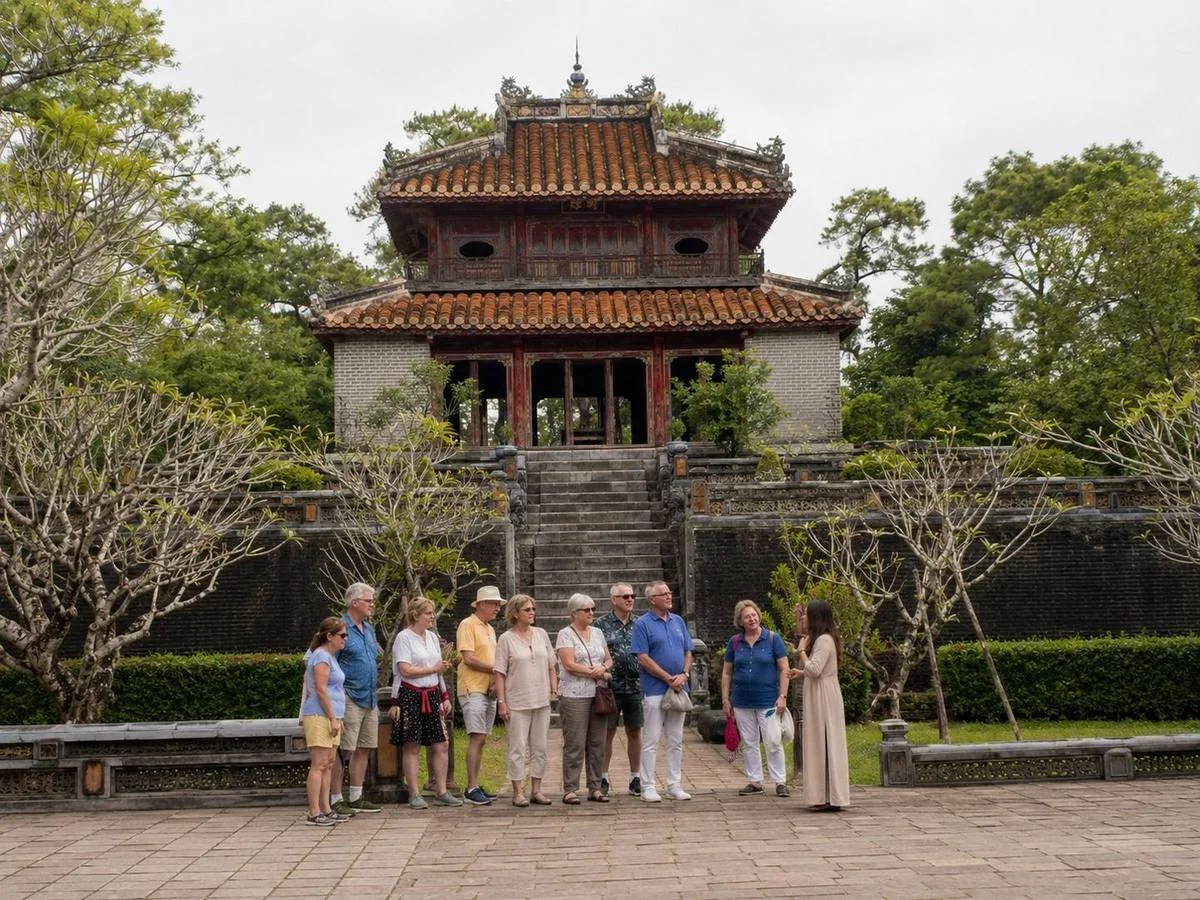
Visit the Imperial City in the morning, followed by one carefully chosen pagoda or religious setting in Hue. The guide explains how court ritual, state authority and Buddhist life existed alongside one another in the former imperial capital.
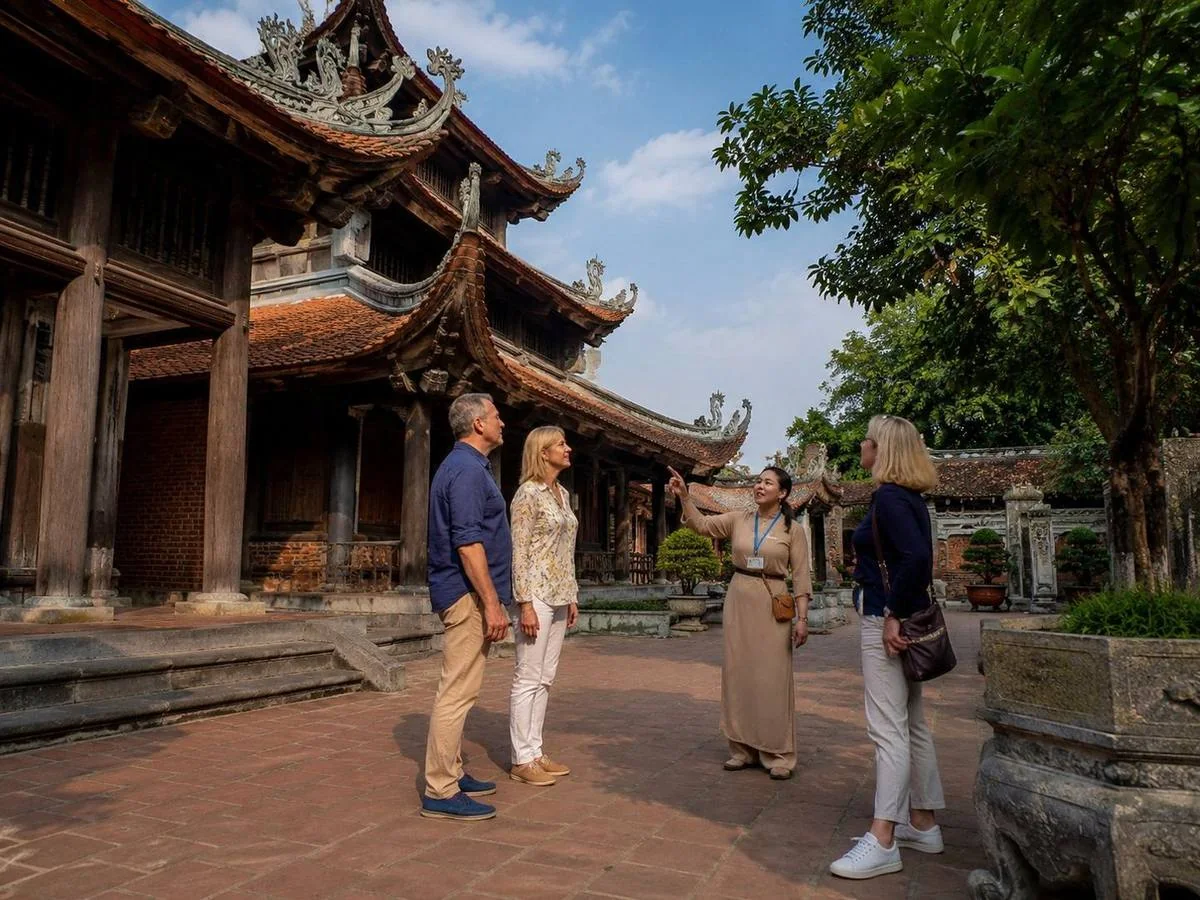
Visit Tu Hieu Pagoda, the root temple of Zen Master Thich Nhat Hanh. Learn about his monastic beginnings, Engaged Buddhism and later international work; any direct encounter or participation remains subject to the pagoda's own schedule and consent.
Keep a slower pace today, with quiet time at an appropriate religious setting and a garden-house or community meal. Where genuinely available, guests may observe part of a monastic routine; participation is optional and arranged around the host community's normal activities.
Leave Hue and travel over Hai Van Pass to Hoi An. After check-in, take a light orientation through the former trading town, where merchant communities, household shrines and local religious practices add a different setting from imperial Hue.
Walk through Hoi An's old town, visiting selected merchant houses, assembly halls and neighbourhood religious sites. Food, craft and ancestor practices are included naturally along the route, with the later afternoon free.
Fly to Ho Chi Minh City and transfer to the hotel. A short orientation introduces the city's neighbourhoods and the different settings in which Buddhist practice continues today.
Visit selected sites associated with the Buddhist crisis and the memory of Thich Quang Duc, together with the surrounding urban history of the period. The guide distinguishes the events commemorated at each place from the everyday religious life that continues elsewhere in the city.
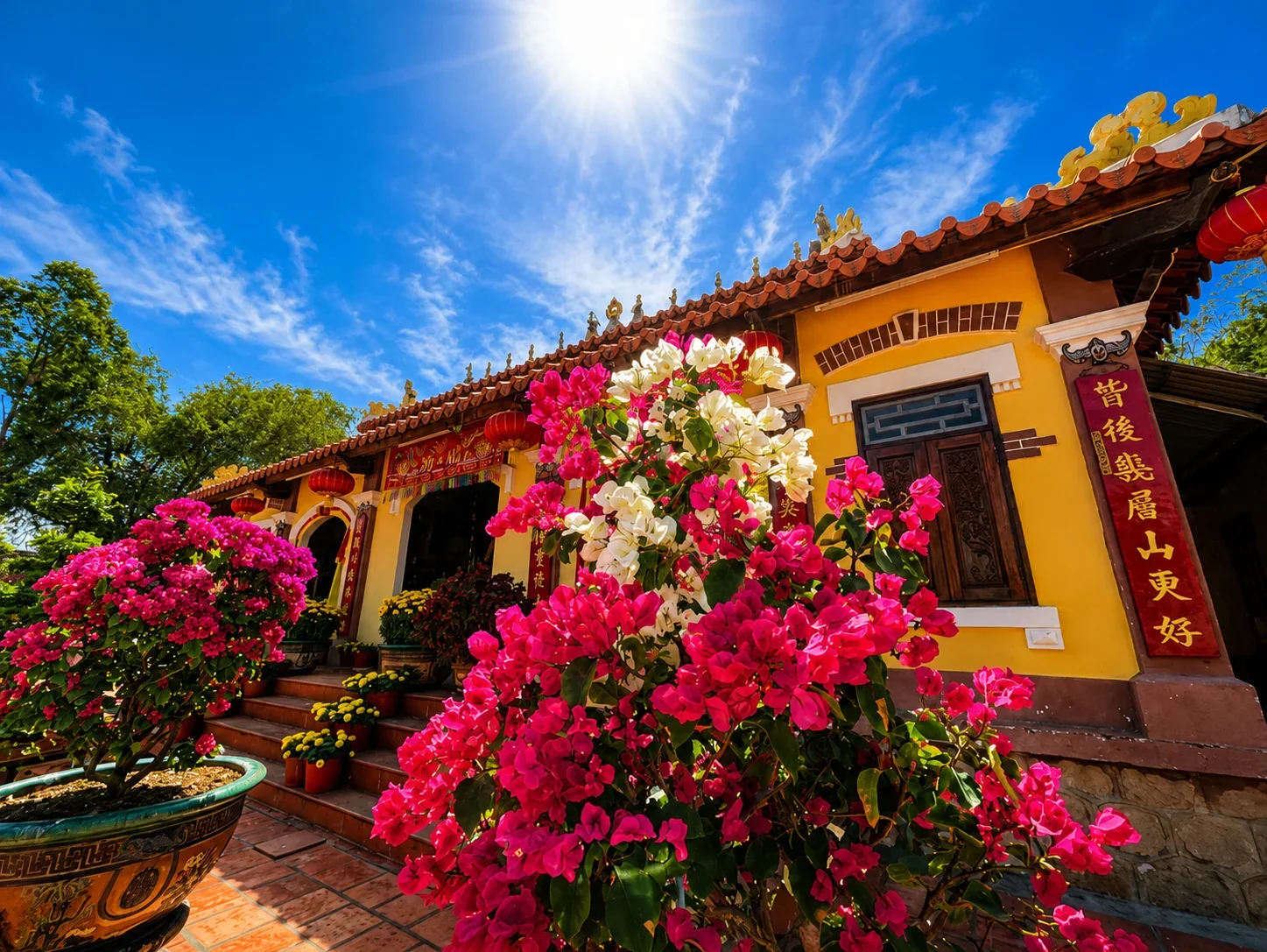
Spend time at a contemporary pagoda or religious community where access is appropriate. Observe daily worship and, where possible, learn about charitable work, family devotion and community activities before a farewell dinner.
Transfer to the airport according to flight time. For late departures, keep the morning free before the airport transfer.
Comfortable city hotels remain the standard. No monastery overnight is assumed.
Most days focus on one or two substantial settings, with recovery time after flights and transfers.
Meditation, chanting or other observances are included only with permission and remain optional.
Monastic schedules and religious communities determine what is possible; the itinerary adapts around them.
The route can spend more time on Thich Nhat Hanh and Engaged Buddhism, Vietnamese history or simply a gentler adult cultural pace while keeping the same north-to-south structure.
Hanoi, Ninh Binh, the bays and mountain routes, with practical advice on pacing and connections.
See destination →Imperial sites, garden houses, pagodas, food and how long to stay.
See destination →Central Saigon, Chợ Lớn, neighbourhoods, food and wartime sites.
See destination →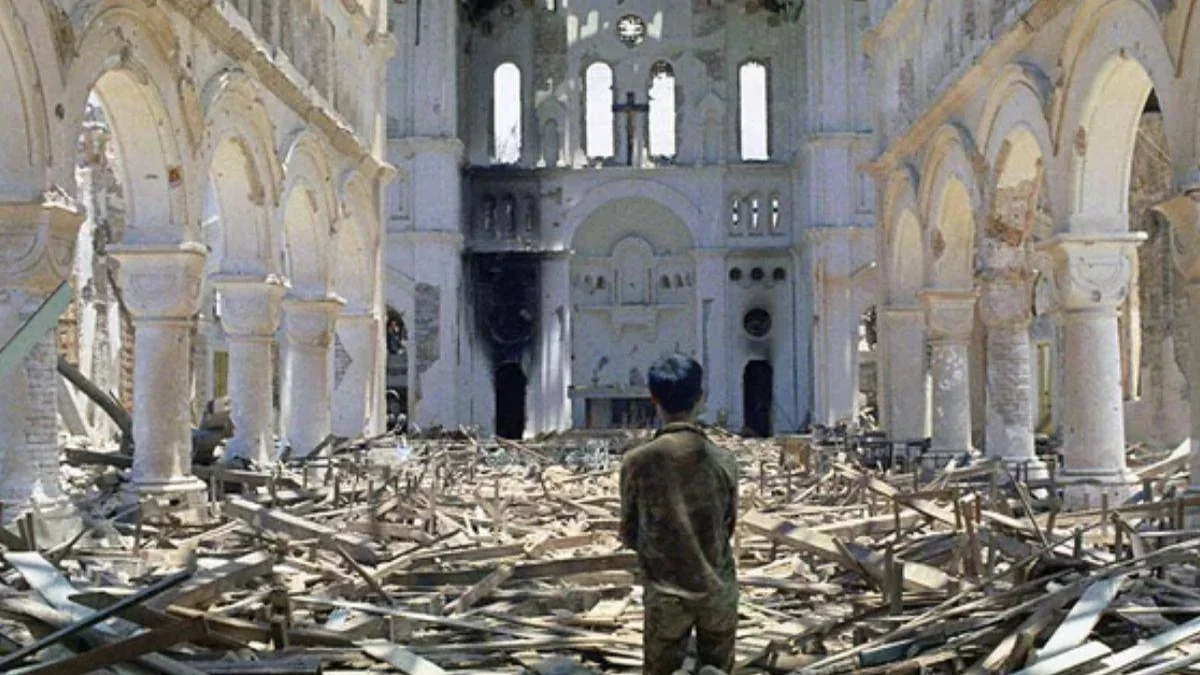
Travel from northern Catholic communities to La Vang and southern pilgrimage sites, with time for worship, parish life and the wider culture of each region.
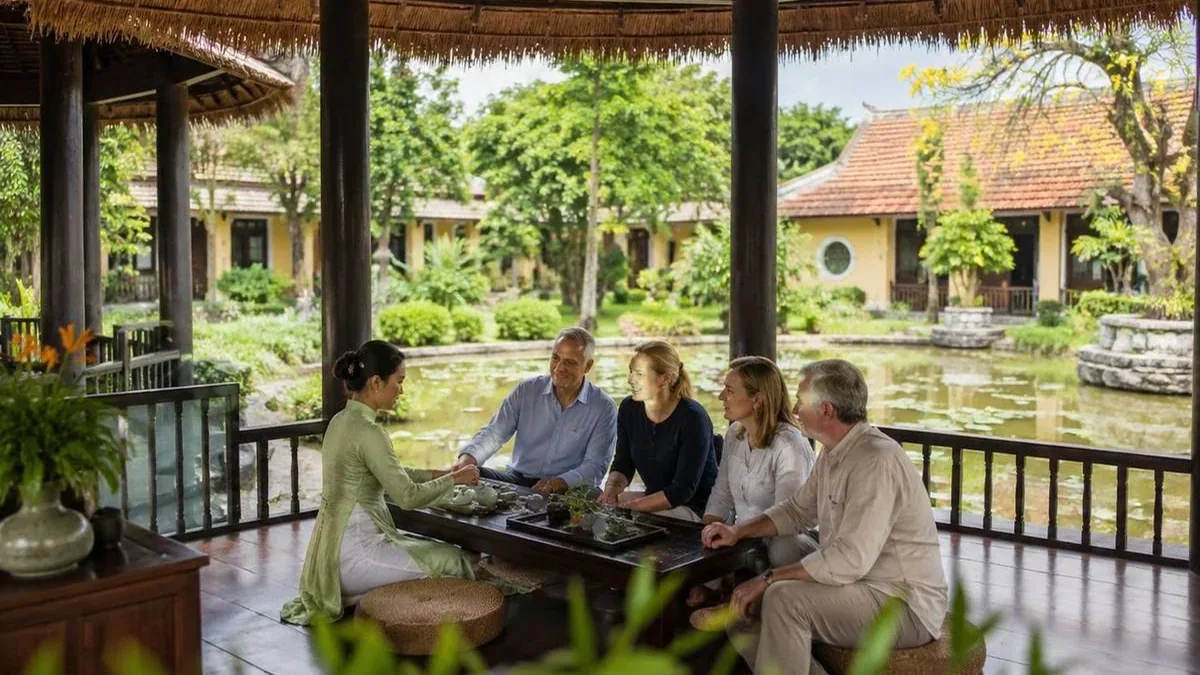
A gentle journey through Vietnamese food, belief and everyday rituals, with Hue as its contemplative centre.
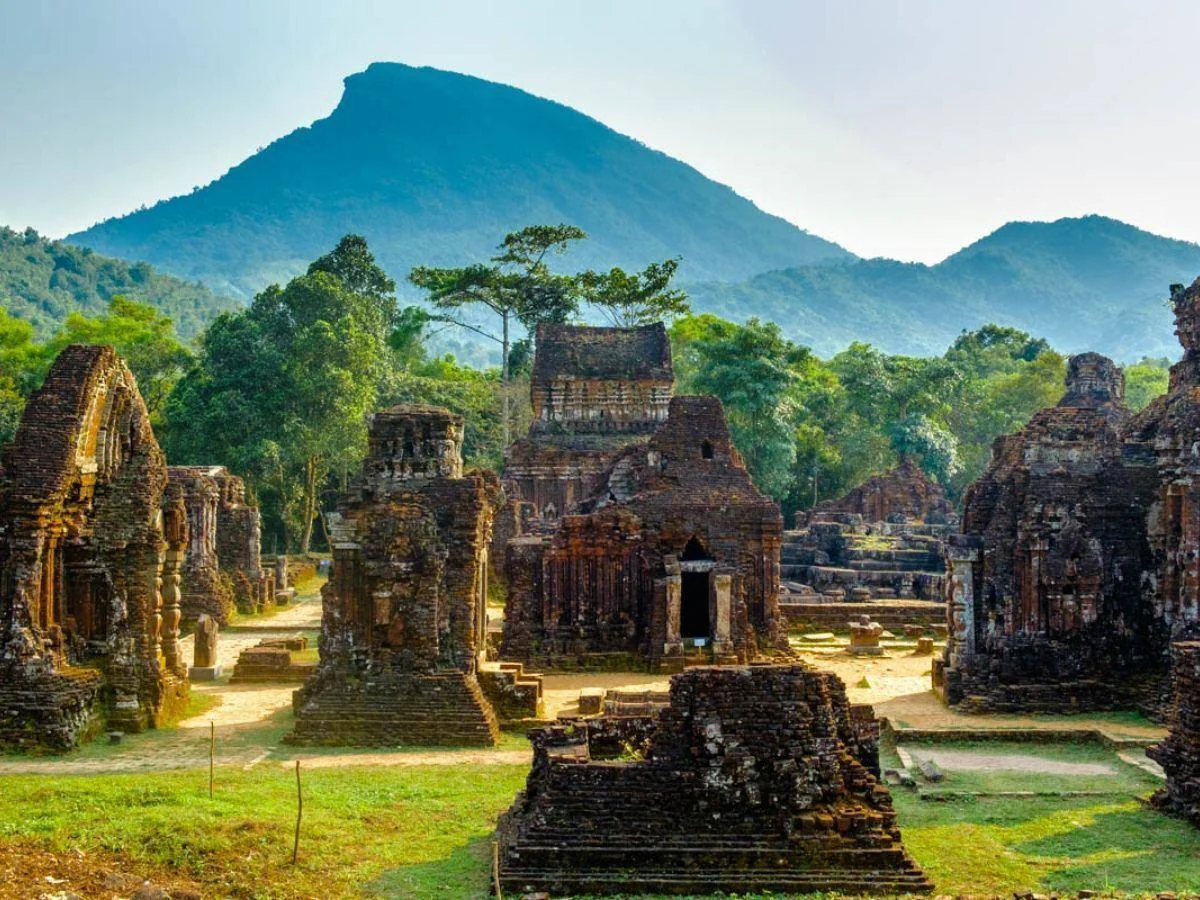
Travel south through ancient capitals, Cham sites, historic cities and southern archaeological landscapes on a heritage-focused journey across Vietnam.
We will confirm the route, hotel level, inclusions and proposal timeline.