Playbook
Hoi An rain and flooding: how to build a workable group contingency
Central Vietnam weather cannot be solved by a vague promise to ‘adjust the journey’. The alternative day needs transport, meal and access logic of its own.

Central Vietnam weather cannot be solved by a vague promise to ‘adjust the journey’. The alternative day needs transport, meal and access logic of its own.
Keep Hoi An in the route only when the operator can explain what happens if old-town streets flood, outdoor craft villages become impractical or the road to Hue slows.
An old-town walk, boat activity, cycling route and low-lying countryside visit carry different weather risks. The hotel may remain fully operational while the specific experience sold to the client becomes poor or unsafe.
Mark each exposed element in the itinerary and identify whether it can move by time, move by day or must be replaced.
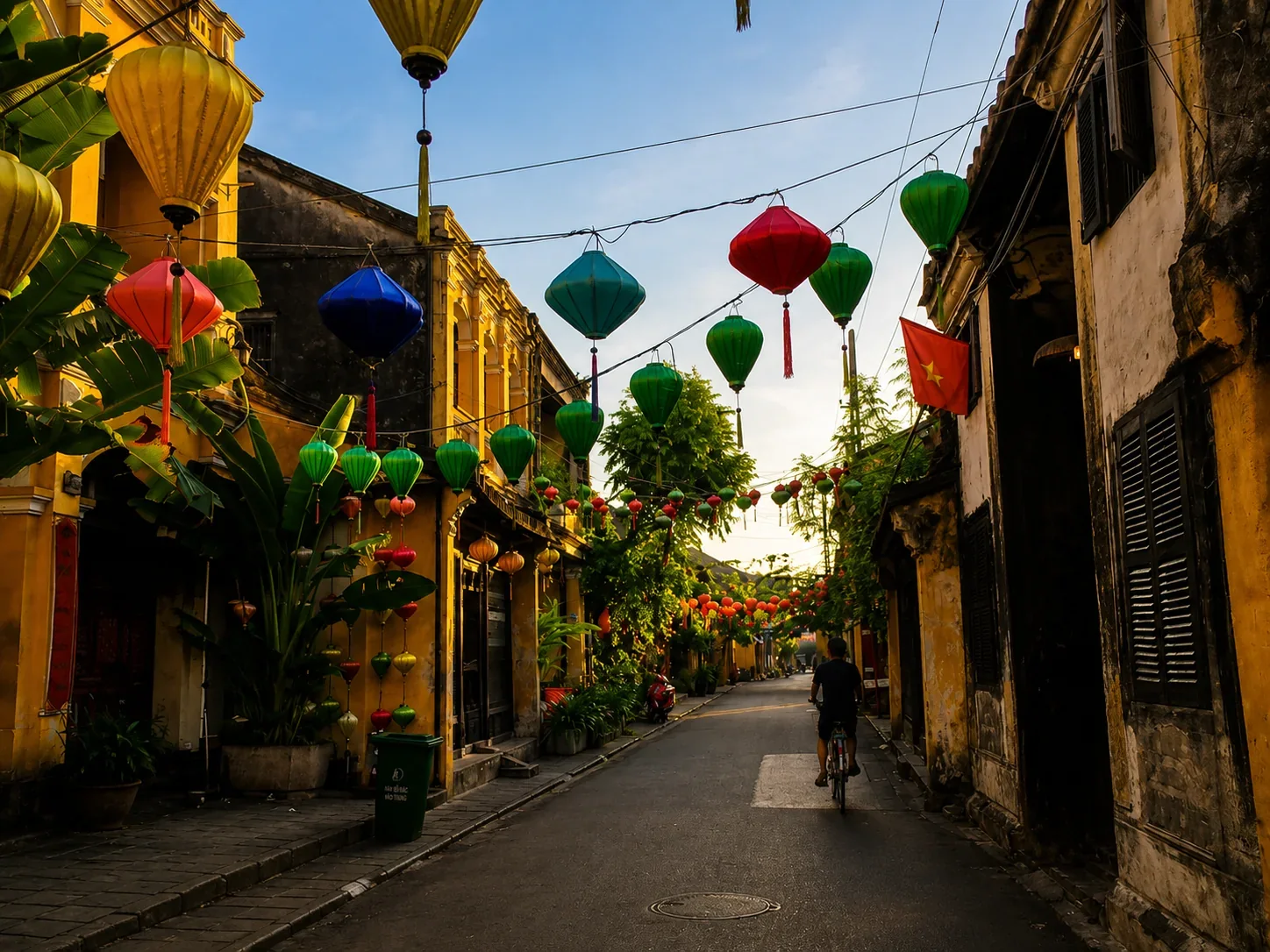
Old-town access, the Hue road and countryside activities fail under different conditions; the contingency must address each exposure separately.
A museum, workshop or hosted meal inside Hoi An may still be affected by local access. Da Nang’s Cham Museum, a protected cooking venue or additional independent time may be more reliable depending on road and flood conditions.
The alternative should fit the group’s interests instead of becoming a random collection of indoor stops.
The guide and tour leader should know the trigger for change, who approves it and what the revised meal and transport plan will be. Waiting until the group is standing in heavy rain turns a sensible contingency into a visible failure.
For multi-day weather, the operator should update the following day each evening rather than improvising one hour at a time.
The operating note should identify what can move by time, what can move by day and which substitute already has transport and meal logic.
Ask for the wet-weather version of the Hoi An day and the conditions under which the Hue–Hoi An transfer would be rerouted, delayed or simplified. This is more useful than a generic weather disclaimer.
Send the travel dates and the Hoi An experiences currently in the proposal. We will mark what can move, what needs replacement and how the Hue–Hoi An road day should change.